













Melting Glacier Reveals Decades-old Tragedy
On Nov. 22, 1952, a C-124 Globemaster plane carrying 41 U.S. Air Force and Army men and 11 crew members crashed in Alaska’s remote wilderness. There were no survivors. Search parties fanned out, guided by a faint signal in the general radio silence, and the plane was found six days later on the south side of Mount Gannet, 50 miles from Anchorage.
The glacier-filled peaks of Mount Gannet are remote, and the plane had crashed onto the rugged terrain of the Knik and Colony glaciers. The weather was bad, and before the rescuers could recover any remains, the moving ice swallowed the plane and everything else. Since then, for 60 years, families of some victims have hoped that their loved ones’ remains will be returned to them.
How Global Warming Will Change Your Life
In June 2012, the glaciers spit out debris of an aircraft. An Alaskan Air National Guard contingent flying nearby on a training mission spotted the debris of what appeared to be a crashed military plane. They informed the Department of Defense’s Joint POW/MIA Accounting Command, or JPAC, which is tasked with searching for Americans lost in service.
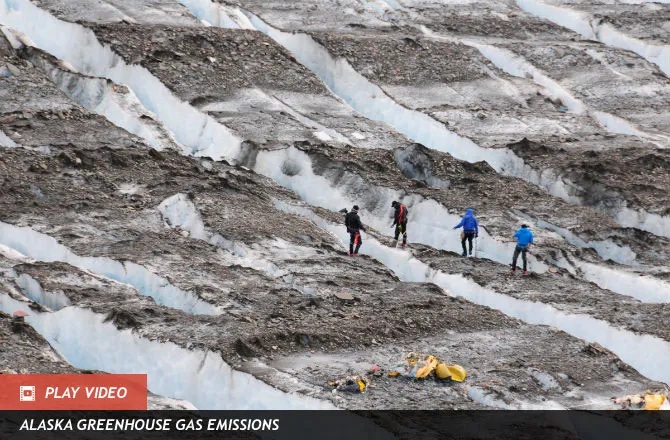
Eight investigators from JPAC and the Northern Warfare Training Center hiked to the glaciers and found pieces of possible bone fragments and life support equipment, as well as other aircraft debris. They worked fast to recover the material, worried that the rapidly moving glacier would flow into a crevasse, hiding the wreckage again.
The team sent its finds to JPAC’s Central Identification Laboratory in Hawaii. Some of the things they found included a pack of Camel cigarettes, a soldier’s guide for fishing, a mail bag containing 6,000 pounds of letters, as the Alaska Dispatch reported last year. It seemed likely they had found the C-124 Globemaster wreck, but they had to be sure.
Many planes crashed in bad weather in the early days of air transport. In fact, within a 15 day period of the Globemaster crash, two other planes went down in Alaska, as the Associated Press reported at the time.
Get the world’s most fascinating discoveries delivered straight to your inbox.
Would a Robotic Pilot Have Crashed at SFO?
At the JPAC lab, investigators found that the serial number on the fragments of the aircraft matched the C-124 Globemaster. Their next task was to see if they could identify the human remains and match it to the men who went down with the plane. That would give the families some closure.
JPAC anthropologists are collecting DNA, if available, to match to the families of the victims. They are also using wallets and other personal effects to make the match, said Lee Tucker, a spokesman.
That work is ongoing. Meanwhile, the glacier continues its rapid movement, traveling 240 meters between last summer and this year. In June, the JPAC team returned to the glacier and found more materials and possible human remains, which they recovered. The process of identification could take anywhere from 4 months to multiple years, Tucker said.
This story was originally posted on Discovery News.