













Obesity Cutoff in South Asians Should Be Lower, Experts Say
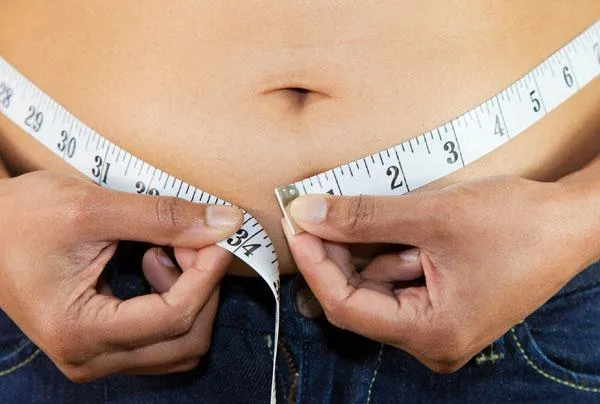
Because South Asians are more prone to diabetes and heart disease, those whose body mass index (BMI) is 28 or higher should be considered obese, compared with an obesity cutoff BMI of 30 or higher in other populations, new research suggests.
Analyzing data from more than 6,000 participants ages 40 to 75 screened for Type 2 diabetes, including white Europeans and migrant South Asians, scientists at the University of Leicester in England determined that BMIs between 23 and 28 should be the limit for South Asians. It was the first study of its kind to reassess obesity definitions in this group, study author Dr. Kamlesh Khunti said.
Experts aren't sure why South Asians a group that includes people from India, Pakistan and Bangladesh have an increased risk of heart disease and diabetes at lower BMIs, but believe it stems from a mixture of causes, Khunti told MyHealthNewsDaily.
"Definitely a combination of genetic predisposition and environmental factors such as poor diet and lack of exercise" are at play, Khunti, a professor of primary care diabetes and vascular medicine, said. "Health care professionals need to be alert to screening South Asians at much lower BMI and waist circumference points compared to white people."
BMI and health risks
Calculated based on a person's height and weight, people with BMIs between 18.5 and 24.9 are considered to be at a healthy weight, according to the current standards used by the U.S. National Institutes of Health. Those with BMIs between 25 and 29.9 are considered overweight, but not obese.
In the study, South Asians and white Europeans with equal BMIs had very different levels of blood glucose, blood pressure and cholesterol, which are indicators of diabetes and heart disease. South Asians needed lower BMIs to have the equivalent level of risk as whites for those conditions, the study found.
Get the world’s most fascinating discoveries delivered straight to your inbox.
Khunti said South Asians should aim to have BMIs between 23 and 25.
The role of culture
Dr. Mahbubur Rahman, who conducted similar research on BMIs among white, black and Hispanic women, said that South Asians tend to be less aware of their body weight in general, and eat many foods linked to greater risks of diabetes and heart disease.
"Their nutritional behavior and food habits are totally different," from those of other groups, said Rahman, an assistant professor of obstetrics and gynecology at the University of Texas Medical Branch in Galveston. "They eat too much meat and spice, and are not as aware of (the difference between) fat and lean meat. Hindus don't eat meat that much, but they consume a lot of (full fat) milk and milk products."
Unsurprised by the study's results, Rahman said he feels long-term, longitudinal research is needed to further nail down these issues, and a public education campaign aimed at South Asians could yield great benefits.
"They need concrete information," he said, "from mass media, counseling at the doctor's office, brochures (and) TV ads."
The study was published online on Oct. 19 in the journal PLoS One, a journal of the Public Library of Science.
Follow MyHealthNewsDaily on Twitter @MyHealth_MHND. Find us on Facebook.