














50 Amazing Volcano Facts

Biggest recorded
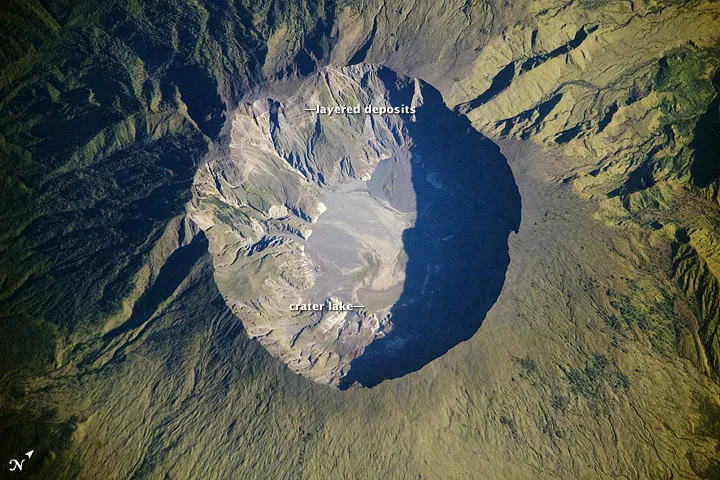
The biggest volcanic eruption ever recorded by humans was the explosion of Mount Tambora on Sumbawa Island, Indonesia, in 1815. It ranked a 7 (or "super-colossal") on the Volcanic Explosivity Index, the second-highest rating in the index.
Long-lasting effects
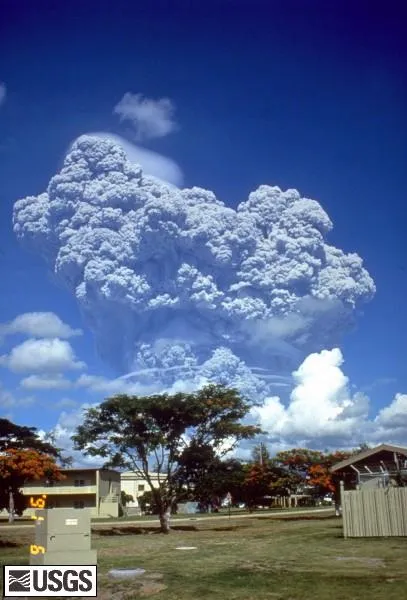
The gas and other particles spewed high into the atmosphere during the 1991 eruption of Mount Pinatubo reduced global temperatures by about 0.9 degrees Fahrenheit (0.5 degrees Celsius) during the following year.
Lots of ash

The 1991 eruption of Mount Pinatubo ejected more than 1 cubic mile (5 cubic kilometers) of material into the air and created a column of ash that rose 22 miles (35 km) in the atmosphere.
Big blast

The largest volcanic blast of the 20th century was the eruption of Novarupta one of a chain of volcanoes on the Alaska Peninsula, part of the Pacific Ring of Fire in 1912. It was a 6 (out of a possible 8) on the Volcanic Explosivity Index.
Continuous erupting

Hawaii's Kilauea volcano, one of the most active on Earth, has been erupting continuously for more than 29 years, beginning Jan. 3, 1983.
Deadly eruption

Kilauea erupted 200 years ago, sending speeding lava flows down its peaks and killing more than 400 people, including Hawaiian warriors. It was the deadliest volcanic eruption on record in what is now the United States.
Far-reaching effect
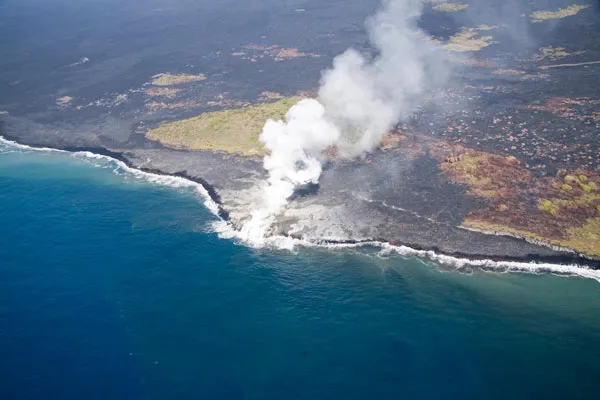
Kilauea means "spewing" or "much spreading" in Hawaiian.
Get the world’s most fascinating discoveries delivered straight to your inbox.
New activity
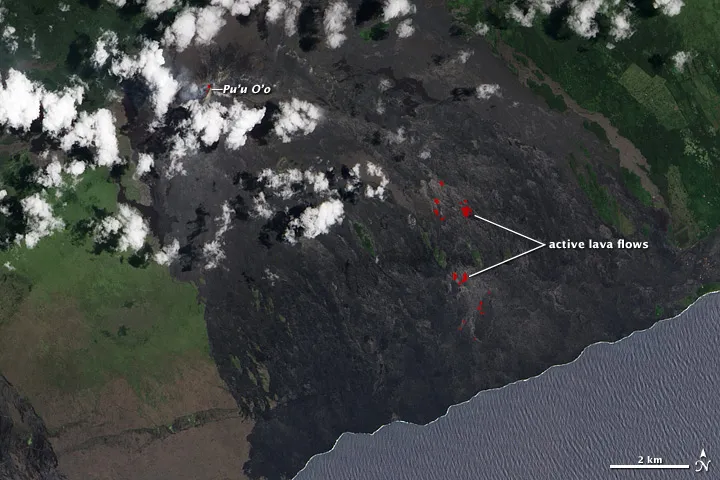
More than 90 percent of Kilauea's surface is covered by lava less than 1,100 years old.
Stratovolcanoes
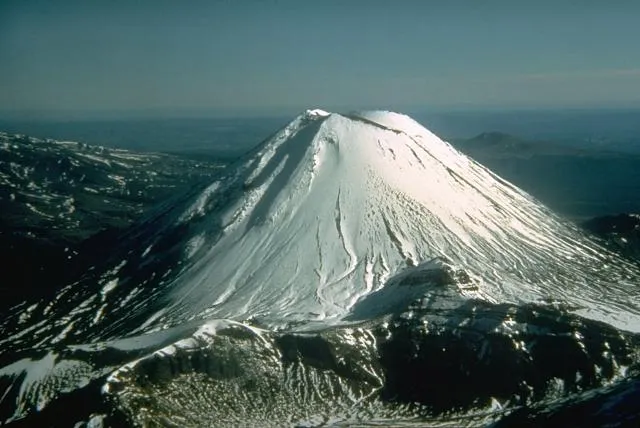
Stratovolcanoes are tall, steep, conical structures that periodically erupt explosively and are commonly found where one of Earth's plates is subducting below another, producing magma along a particular zone.
Large mountains

The Hawaiian shield volcanoes are the largest mountains on Earth. The total height of Mauna Kea, below and above sea level, is 33,500 feet (10,210 meters), making it taller than even Mount Everest.
Largest volcanoes
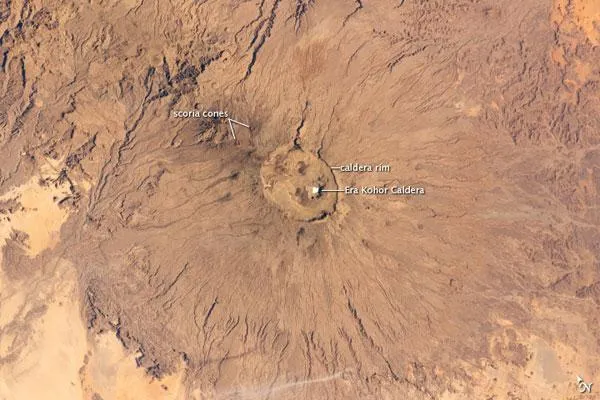
The largest volcanoes on Earth are shield volcanoes, which have broad, gentle slopes built by fluid basalt lavas.
