














Australia Protects Humpback Whales
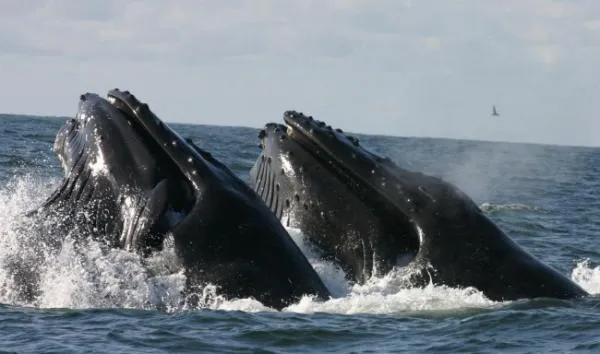
The government of Western Australia has announced it will establish a marine park to provide protection for the biggest humpback whale calving area in the southern hemisphere. The Camden Sound Marine Park will cover almost 7,000 square kilometers (2,700 square miles) and will comprise several different zones.
PHOTOS: World's Best Marine Reserve: Cabo Pulmo
A "special purpose zone" will require vessels to stay at least 500 meters (1,640 feet) from humpback mothers and calves. An estimated 22,000 whales inhabit the region surrounding the marine park during calving season in Western Australia's winter months. Another zone will provide for a ‘wilderness’ fishing experience where recreational fishers must either catch and release or eat their catch before leaving the zone. Forty-eight percent of the marine park will be closed to commercial trawl fishing and 23 percent will be closed to all forms of commercial fishing.
Western Australia's environment minister Bill Marmion said that the park will also include "two sanctuary zones comprising about 20 percent of the marine park area around Champagny Islands and Montgomery Reef, which is exposed on the outgoing tide to reveal a series of awe-inspiring waterfalls."
ANALSIS: Saving Right Whales? There's an App for That
The Pew Environment Group welcomed the news of the park's establishment, arguing it would protect far more than just the humpbacks and hoping it would be the first step in greater protection for what is known as the Kimberley Coast. The organization noted that Montgomery Reef "has at least 400 square kilometers of coral and algal reefs that support large populations of fish, turtles, dugongs, sharks and saltwater crocodiles."
“The Kimberley coast is as special as the Great Barrier Reef, but it does not have anywhere near the same level of protection. To date, less than 1 percent of the stunning Kimberley marine ecosystem has been safeguarded,” said John Carey, director of Pew's Kimberley conservation project. The new park, which will be co-managed by the state government and traditional owners including the Dambimangari and Uunguu peoples, is, said Carey, "a significant move toward ensuring a long-term conservation legacy for the Kimberley coast."
Get the world’s most fascinating discoveries delivered straight to your inbox.
VIDEO: Sperm Whales Caught Napping
This story was provided by Discovery News.