EU to Ban Certain Pesticides to Help Bees
Get the world’s most fascinating discoveries delivered straight to your inbox.
You are now subscribed
Your newsletter sign-up was successful
Want to add more newsletters?
Delivered Daily
Daily Newsletter
Sign up for the latest discoveries, groundbreaking research and fascinating breakthroughs that impact you and the wider world direct to your inbox.
Once a week
Life's Little Mysteries
Feed your curiosity with an exclusive mystery every week, solved with science and delivered direct to your inbox before it's seen anywhere else.
Once a week
How It Works
Sign up to our free science & technology newsletter for your weekly fix of fascinating articles, quick quizzes, amazing images, and more
Delivered daily
Space.com Newsletter
Breaking space news, the latest updates on rocket launches, skywatching events and more!
Once a month
Watch This Space
Sign up to our monthly entertainment newsletter to keep up with all our coverage of the latest sci-fi and space movies, tv shows, games and books.
Once a week
Night Sky This Week
Discover this week's must-see night sky events, moon phases, and stunning astrophotos. Sign up for our skywatching newsletter and explore the universe with us!
Join the club
Get full access to premium articles, exclusive features and a growing list of member rewards.
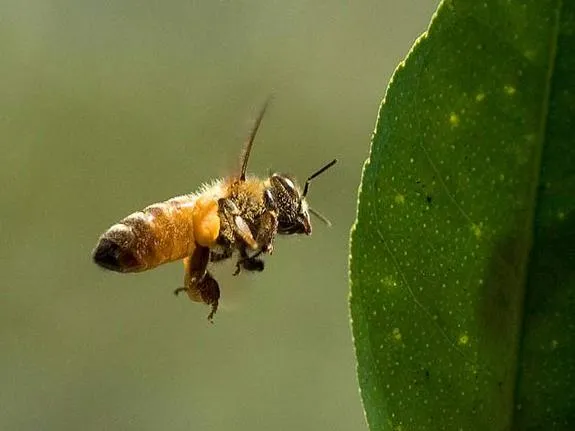
Bee populations are declining rapidly in Europe, as they are in North America. Some research suggests that neonicotinoid chemicals in pesticides could be partly to blame for the decline of bees. A vote by the European Union has paved the way for the European Commission to ban neonicotinoid pesticides no later than July 1, although the ban may only last 2 years, according to the BBC.
The ruling came about after 15 of the EU's 27 nations voted to restrict use of these pesticides. They will now only be allowed for use on plants that aren't "attractive to pollinators" like bees, the BBC reported. The United Kingdom voted against the ban, arguing the science behind the proposal is inconclusive. Another seven countries voted against it, and four abstained.
Pollinators like bees fertilize about one-third of crops worldwide, scientists estimate. In the United States, the number of colonies has been reduced by about 50 percent in the last year alone, according to news reports.
Email Douglas Main or follow him @Douglas_Main. Follow us @livescience, Facebook or Google+.
Get the world’s most fascinating discoveries delivered straight to your inbox.