Woman Who Received Uterus Transplant Now Pregnant
Get the world’s most fascinating discoveries delivered straight to your inbox.
You are now subscribed
Your newsletter sign-up was successful
Want to add more newsletters?
Delivered Daily
Daily Newsletter
Sign up for the latest discoveries, groundbreaking research and fascinating breakthroughs that impact you and the wider world direct to your inbox.
Once a week
Life's Little Mysteries
Feed your curiosity with an exclusive mystery every week, solved with science and delivered direct to your inbox before it's seen anywhere else.
Once a week
How It Works
Sign up to our free science & technology newsletter for your weekly fix of fascinating articles, quick quizzes, amazing images, and more
Delivered daily
Space.com Newsletter
Breaking space news, the latest updates on rocket launches, skywatching events and more!
Once a month
Watch This Space
Sign up to our monthly entertainment newsletter to keep up with all our coverage of the latest sci-fi and space movies, tv shows, games and books.
Once a week
Night Sky This Week
Discover this week's must-see night sky events, moon phases, and stunning astrophotos. Sign up for our skywatching newsletter and explore the universe with us!
Join the club
Get full access to premium articles, exclusive features and a growing list of member rewards.
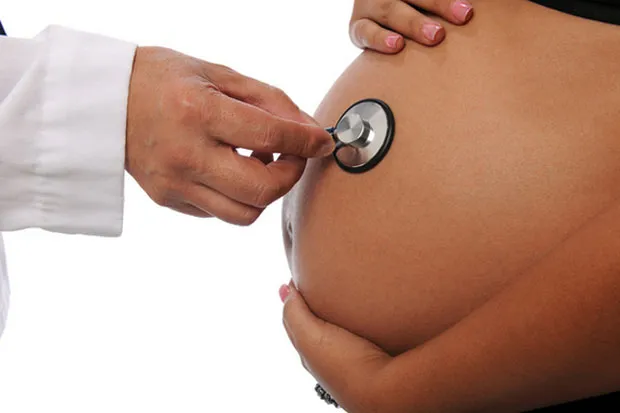
A 22-year-old woman in Turkey is now pregant after receiving a transplanted uterus, according to an Associated Press report.
The woman, Derya Sert, was born without a uterus, received a tranplanted organ in August 2011 and is now six weeks along in a "healthy" pregnancy, the report said. Doctors placed an embryo that was made using Sert's own egg cell into her uterus in March.
Dr. Andreas Tzakis, director of the transplant program at the University of Miami Miller School of Medicine, spoke with MyHealthNewsDaily about uterine transplants in 2011.
The surgery is challenging, Tzakis said. The transplanted uterus needs to be connected properly to the body's veins and arteries to ensure an adequate blood supply reaches the organ. What's more, the organ's position deep in the pelvis makes it difficult to access. It needs to be placed in the correct position to function in reproduction, he said.
Follow Karen Rowan @karenjrowan. Follow MyHealthNewsDaily @MyHealth_MHND, Facebook & Google+.
Get the world’s most fascinating discoveries delivered straight to your inbox.