













Common Procedure is Overused in Heartburn Patients

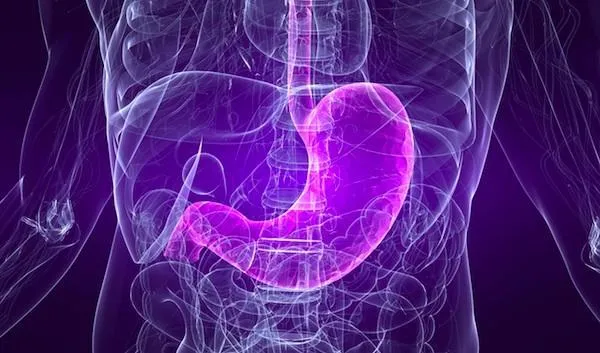
People with heartburn or other symptoms of acid reflux often undergo a procedure called an upper endoscopy, but most of these patients do not need it, according to new guidelines.
Heartburn patients only need the procedure if they have other serious symptoms, such as difficult or painful swallowing, bleeding, weight loss or recurrent vomiting, according to the new guidelines, released by the American College of Physicians (ACP). Patients may also need the procedure if they do not respond after one or two months of treatment with medication, the new guidelines say.
For most patients, an upper endoscopy is not an appropriate first step in the diagnosis or management of heartburn, said Dr. David Bronson, president of the ACP.
During an upper endoscopy, doctors insert a flexible tube with a camera, called an endoscope, down the throat to view the esophagus, stomach and upper part of the small intestine. Physicians use it to help determine the cause of a patient's symptoms, or to collect tissue to test for certain cancers, according to the Mayo Clinic.
Complications of upper endoscopy, such as bleeding or a tear in the esophagus, are rare, but given the large number of people with acid reflux symptoms, overuse of the procedure "implies the potential for thousands of complications," the ACP said.
About 40 percent of the U.S. population reports some symptoms of acid reflux, also called gastroesophageal reflux disease.
Over the past decade, use of upper endoscopy has increased 40 percent among Medicare patients, while enrollment in Medicare increased just 17 percent during the same period, the ACP says.
Get the world’s most fascinating discoveries delivered straight to your inbox.
Doctors can also use upper endoscopy to screen for Barrett's esophagus, which occurs when the lining of the esophagus is damaged, increasing the risk of esophageal cancer.
Screening with upper endoscopy should not be done routinely in women of any age or in men younger than 50 years old, because the risk of cancer is low in these populations, the ACP said. The risk for esophageal cancer among women with acid reflux is about the same as a man's risk for breast cancer.
Men over 50 may need screening for Barrett's esophagus if they have multiple risk factors for the condition, including heartburn for more than five years, tobacco use and a high body mass index, the ACP says.
Among those found to have Barrett's esophagus, the ACP recommends upper endoscopy every three to five years. More frequent screenings are reserved for patients with signs of pre-cancer, the ACP says.
Overuse of upper endoscopy may also lead to unnecessary costs (the procedure typically costs more than $800) and complications if a patient is misdiagnosed with cancer or another condition, the ACP says.
The guidelines are published today (Dec. 3) in the journal Annals of Internal Medicine.
Pass it on: Patient with heartburn generally do not need an upper endoscopy.
Follow MyHealthNewsDaily on Twitter @MyHealth_MHND. We're also on Facebook & Google+.
