













Study: Higher Gas Prices Save Lives

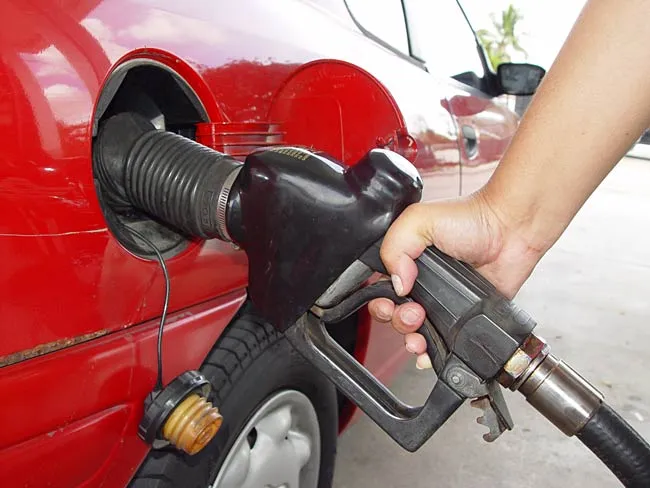
We're all tired of rising gas prices, but they may lead to significant reductions in deaths due to vehicle crashes and air pollution, a new study suggests.
The recent 20 percent increase in gasoline prices may be associated with nearly 2,600 fewer deaths nationwide from motor vehicle crashes and air pollution, according to the research detailed in the March issue of the Journal of Occupational and Environmental Medicine.
The researchers at the University of California, Davis, created a computer model to explore the likely effects of boosted gas prices on motor vehicle crash fatalities – including deaths among pedestrians and bicyclists – and deaths related to air pollution, specifically particulate pollutants.
The model, which assumed that an increase in gas prices would lead to reduced demand, was based on actual values for gas prices and deaths in 2003.
Assuming other factors were constant, the model estimated that a 20 percent increase in gas prices would result in 1,994 fewer deaths from motor vehicle crashes and 600 fewer deaths from air pollution.
- Black Gold: Where the Oil Is
- 10 Ways to Green Your Spending
- Top 10 Emerging Environmental Technologies
Get the world’s most fascinating discoveries delivered straight to your inbox.
