What Is 'Wet?' Dangerous Drug Cocktail


A Camden, N.J., man accused of murdering a 6-year-old boy and critically wounding his 12-year-old sister was high on a combination of PCP and marijuana, a drug sometimes called "wet," at the time of the crime, according to local authorities.
Camden investigators have connected PCP use with a number of murders in the city over the past few years, but scientists have yet to directly link the drug with violent behavior.
Police say Osvaldo Rivera, 31, slit the throat of Dominick Andujar as he slept in his bedroom early Sunday (Sept. 2) morning. Rivera also reportedly stabbed Andujar's 12-year-old sister, who is now in critical condition at a hospital.
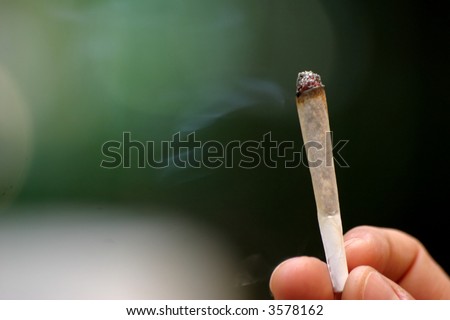
According to the Camden County Prosecutor's Office, Rivera told investigators that he had smoked marijuana laced with PCP before the killing. "Wet," one of the mixture's street names, can be used to refer both to a marijuana cigarette dipped in liquid PCP and to the PCP component on its own, which is also used to coat ordinary cigarettes and other substances.
A combination of PCP and marijuana has also been implicated in an alleged murder-suicide that took place in Camden two weeks prior to Andujar's killing, said Jason Laughlin, a spokesman for the prosecutor's office. Though toxicology reports related to that incident are not yet back, Laughlin told Life's Little Mysteries that authorities have reason to believe Chevonne Thomas, 33, had been using wet immediately before decapitating her 2-year-old son and then killing herself.
Laughlin also mentioned two other violent incidents in Camden's recent past that have involved wet. In October 2009, a man allegedly slit the throat of his 18-month-old daughter, Enalla Banks, after which he reportedly slashed his own throat. And in March 2008, a naked man high on wet was shot and killed by a police officer after he attacked her, Laughlin said.
Though Laughlin doesn't know whether the incidents in 2008 and 2009 involved a preparation of wet that included marijuana, he says he's led to believe that wet's PCP component is the more likely contributor to violence. "[Wet's base] is usually marijuana but actually can be other leaves as well — tobacco, parsley, mint," he said. "The PCP is the common element."
Get the world’s most fascinating discoveries delivered straight to your inbox.
PCP, or phencyclidine, is a synthetic drug that was patented for use as a general anesthetic in 1953. Due to its adverse effects on humans, which include delusions and severe anxiety, it was taken off the market in 1965. Since then, its popularity as an illegal recreational drug has ebbed and flowed.
According to the University of Maryland's Center for Substance Abuse Research (CESAR), PCP acts by disrupting receptors of the neurotransmitter glutamate, which, along with the perception of pain, influences learning, memory and emotion. Its immediate subjective effects, though they vary widely by dose, can include feelings of detachment from reality, distorted perceptions of one's body, an overwhelming desire to disrobe and hostile behavior.
The last effect in that list may seem to have been exemplified in the recent crimes in Camden, but violent behavior has yet to be confirmed as an independent effect of PCP abuse. "Despite its reputation in the media as a drug that causes bizarrely violent behavior and gives users superhuman strength, research does not support the idea that PCP itself is the cause of such behavior and strength," CESAR states on its website. "Instead, those who experience violent outbursts while under the influence of PCP often have a history of psychosis or antisocial behavior that may or may not be related to their drug abuse."
Follow Life's Little Mysteries on Twitter @llmysteries. We're also on Facebook & Google+.