













Tiniest Infants May Benefit from Baby Formula in Addition to Breast Milk

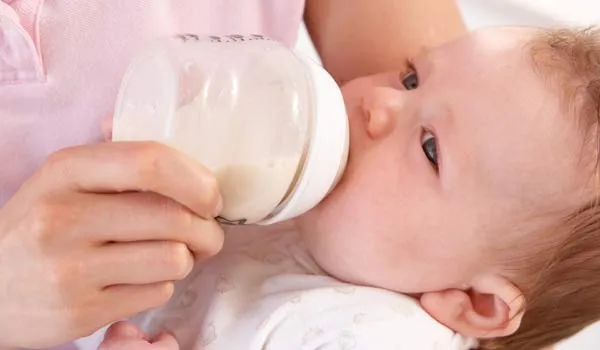
For the tiniest babies, adding baby formula to their diet of breast milk may help them grow faster, a new study says.
Researchers followed 171 infants who generally weighed about 2 pounds at birth. These "very low birth weight" (VLBW) infants had been born during the 27th week of pregnancy on average (10 weeks before full term), and their weights were normal for babies born that early.
For about half of the infants, at least 75 percent of their diet was breast milk. For the other half, breast milk made up lesser portions. The 75 percent-plus breast milk babies grew more slowly than the others, the researchers found. This effect was even greater for babies being fed breast milk from donor mothers rather than their own.
The findings suggest that fortifying the diets of VLBW infants with formula can improve their growth rates without sacrificing the benefits associated with breast milk, the researchers wrote today (Aug. 16) in the journal BMC Pediatrics.
While the reason for the slower growth rates of breast milk babies is not completely understood, it may be that breast milk does not provide enough protein, according to the study. The growth of pre-term infants is correlated with their protein intake.
Previous research has suggested formula-fed infants grow more quickly during the first few months of life than breast-fed babies do.
Still, the benefits of breast milk are well known. They help protect babies against infections; babies are less likely to have diarrhea or vomiting, and tend to have fewer chest and ear infections.
Get the world’s most fascinating discoveries delivered straight to your inbox.
"Human milk offers many benefits for VLBW infants, and should be the default diet for all such infants," the researchers wrote.
Study researcher Dr. Tarah Colaizy, a neonatologist at the University of Iowa Children's Hospital, said, "We recommend that special attention is given to ensure that the amount protein and calories consumed is necessary to provide the benefits of a human milk diet without sacrificing growth."
Pass it on: Giving baby formula, along with breast milk, to babies of low birth weight may help them grow better.
This story was provided by MyHealthNewsDaily, a sister site to LiveScience. Follow MyHealthNewsDaily on Twitter @MyHealth_MHND. We're also on Facebook & Google+.
