













'Autistic' Mice Help Researchers Study Disorder

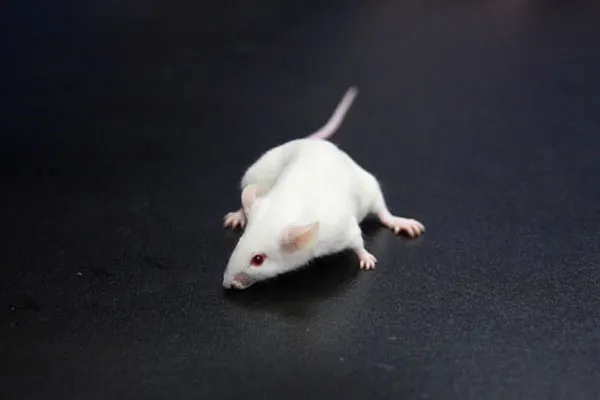
Researchers have engineered a new type of mouse that models autism and could aid in the development of treatments for the disorder, a new study says.
The mice exhibit behaviors very similar to those of people with autism, including repetitive behaviors and social irregularities, the researchers said. And treating the mice with an autism drug reduced the repeated behaviors, just as it does in people, the researchers said.
The study shows "one can effectively model autism in a mouse and get a lot of the same clinical features," said study researcher Dr. Daniel Geschwind, a professor of neurology at the University of California, Los Angeles School of Medicine.
The mice could also help scientists understand exactly what goes wrong in the brain that leads to autism's development, the researchers said.
Autistic mice
The researchers engineered the mice to be missing a single gene, called CNTNAP2, which is thought to be involved in speech and language. Certain mutations in this gene have been linked with an increased risk of autism, and some aberrations in this gene cause epilepsy in addition to autism.
Mice without this gene spent less time interacting with their fellow rodents, and displayed repetitive behaviors, including grooming and digging, the researchers said. The mice also emitted fewer distress calls when separated from their mothers as pups, and were hyperactive. Autism and attention deficit hyperactivity disorder (ADHD) are thought to share underlying genetic abnormalities.
Get the world’s most fascinating discoveries delivered straight to your inbox.
The findings also suggest CNTNAP2 is involved in brain development: certain brain cells of the mice lacking the gene did not migrate properly during development to their final position in the brain, Geschwind said. And groups of neurons in the brain had problems communicating.
Currently, there are no pharmacological treatments available for some symptoms of autism, Geschwind said.
"This gives us an opportunity to begin to test drugs that might affect social behavior and develop drugs that affect social cognition," he said.
Models for autism
Because the genetics of autism are so complex, there's unlikely to be one type of mouse that can be used for all studies of autism, said Jason Lerch, a neuroscientist at The Hospital for Sick Children in Toronto, who was not involved in the work.
"I don’t think we'll ever have one autistic mouse," Lerch said.
But the mouse made in this study allows researchers to model one part of autism, and the more models available, the more opportunities there are try to understand the underlying biology of the disease, Lerch said.
The study will be published tomorrow (Sept. 30) in the journal Cell.
Pass it on: Mice that exhibit behaviors similar to those seen in autism may help researchers develop therapies for the disorder.
This story was provided by MyHealthNewsDaily, a sister site to LiveScience. Follow MyHealthNewsDaily staff writer Rachael Rettner on Twitter @RachaelRettner. Find us on Facebook.

Rachael is a Live Science contributor, and was a former channel editor and senior writer for Live Science between 2010 and 2022. She has a master's degree in journalism from New York University's Science, Health and Environmental Reporting Program. She also holds a B.S. in molecular biology and an M.S. in biology from the University of California, San Diego. Her work has appeared in Scienceline, The Washington Post and Scientific American.