















Nurses Exposed to Toxic Cancer Drugs, Study Finds

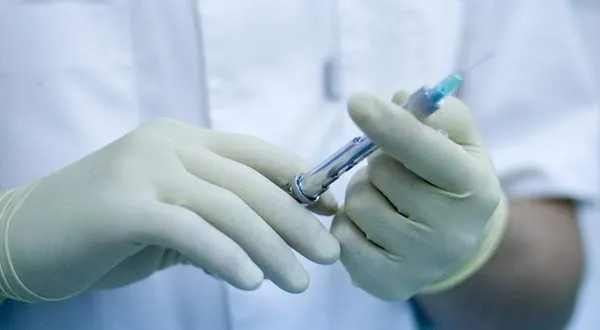
Nurses treating cancer patients risk being exposed to chemotherapy drugs and their toxic effects, according to a new study. The results show that nearly 17 percent of nurses working in centers where outpatient chemotherapy infusions are administered reported being exposed on their skin or eyes to the drugs. Unintentional chemotherapy exposure can affect the nervous system, impair the reproductive system and bring an increased risk of developing blood cancers in the future, the researchers said. These exposures are as dangerous to a nurse's health as being accidently stuck with a needle, the researchers said. "We have minimized needle stick incidents so that they are rare events that elicit a robust response from administrators. Nurses go immediately for evaluation and prophylactic treatment. But we don’t have that with chemotherapy exposure,” said study researcher Christopher Friese, an assistant professor at the University of Michigan School of Nursing. Toxic exposure The researchers surveyed 1,339 oncology nurses working in Michigan in outpatient settings. About 84 percent of chemotherapy is delivered in such settings, the researchers said. Nurses who were accidentally exposed to chemotherapy drugs were more likely to report their workplace had limited staffing and resources than those were not exposed, the study found. "This research shows that paying attention to the workload, the health of an organization and the quality of working conditions pays off. It’s not just about job satisfaction — it’s likely to lower the risk of these occupational hazards," Friese said. The characteristics of nurses who were exposed, such as their race and education level, did not differ between those who were exposed and those who weren't, the study showed. More safety for nurses Safety guidelines, such as recommendations for using gowns, gloves and other protective gear when handling chemotherapy drugs, have been issued by organizations such as the National Institute for Occupational Safety and Health, but these guidelines are not mandatory, the researchers said. Fewer exposures happened in settings where two or more nurses were required to verify chemotherapy orders, which was suggested by the guidelines. Unlike needle sticks where a specific virus is involved and preventive treatments can be given, it’s more difficult to directly link a chemotherapy exposure to a certain health repercussion, the study said. That makes it more difficult for health care systems to respond to these incidents. The researchers said they hope to better understand what happens during chemotherapy exposure and what can be done in the work place to prevent it. The study was published online on Aug. 16 in the journal BMJ Quality and Safety. Pass it on: Nurses who administer chemotherapy may risk being exposed to the toxic drugs.
This story was provided by MyHealthNewsDaily, a sister site to LiveScience. Follow MyHealthNewsDaily on Twitter @MyHealth_MHND. Find us on Facebook.
Get the world’s most fascinating discoveries delivered straight to your inbox.
