













Thankgiving Myth: Turkey Makes You Sleepy

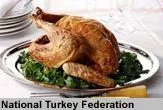
There are a couple of myths told each year at my house on Thanksgiving. One is that Uncle Lou will finally get the hint by Friday afternoon that he's overstayed his welcome and will leave without swiping most of the leftovers. The other is that there's a natural chemical in turkey called tryptophan that makes you sleepy after the Thanksgiving meal.
While the first myth stems from wishful thinking, the sleepy-turkey myth lingers around each year because it sounds so logical.
Alas, it is only marginally true. What's making you sleepy after Thanksgiving dinner is any combination of booze, bad conversation and a carbohydrate-heavy meal, but not the turkey itself.
The tryptophan trip
Tryptophan is an essential amino acid crucial for good health. Human bodies need tryptophan to build certain kinds of proteins. There is a sleep connection, though. The body uses tryptophan in a multi-step process to make serotonin, a neurotransmitter in the brain that helps regulate sleep.
Turkey does have tryptophan. But all meat has tryptophan at comparable levels. Cheddar cheese, gram for gram, has more. While cheddar isn't the most exciting cheese in the cheese cellar, no one connects it with sleep. Turkey gets singled out for no other reason than being eaten during the biggest meal of the year.
In essence, big meals with any food containing tryptophan can cause sleepiness. The real culprits are all those carbohydrates from potatoes, stuffing, vegetables, bread and pie. The massive intake of carb-heavy calories stimulates the release of insulin, which in turn triggers the uptake of most amino acids from the blood into the muscles except for tryptophan.
Get the world’s most fascinating discoveries delivered straight to your inbox.
With other amino acids swept out of the bloodstream, tryptophan—from turkey or ham or any meat or cheese, for that matter—can better make its way to the brain to produce serotonin. Without that insulin surge, tryptophan would have to compete with all the other kinds of amino acids in the big meal as they make their way to the brain via a common chemical transport route. And not enough tryptophan would make it to the brain because other basic amino acids are far more plentiful in food.
Turkey sleeping pill
Tryptophan can trigger the production of serotonin and sweet dreams if it is taken alone on an empty stomach. In fact, tryptophan supplements were a popular sleep aid in the 1980s. Then the FDA banned their sale in 1991 after a massive outbreak of an autoimmune disease called eosinophilia-myalgia syndrome.
Tens of thousands of people were sickened with flu-like symptoms and 37 died—likely not the kind of sleep anyone had in mind. Most of the cases were traced back to contamination at the supplement manufacturer's plant, but scientists still find a connection between high-doses of tryptophan and eosinophilia-myalgia syndrome.
There remains ongoing debate on whether tryptophan really causes eosinophilia-myalgia syndrome, with some arguing that the pharmaceutical industry pressured the FDA to ban this natural supplement, which acts on serotonin in a way similar to how Prozac and many anti-depressant drugs work.
Like a good dinner, this 16-year-old argument might be very stimulating or just put you to sleep.
- What Do Turkeys and T. Rex Have in Common?
- Top 10 Bad Things That Are Good For You
- Can Turkeys Fly?
Christopher Wanjek is the author of the books “Bad Medicine” and “Food At Work.” Got a question about Bad Medicine? Email Wanjek. If it’s really bad, he just might answer it in a future column. Bad Medicine appears each Tuesday on LiveScience.

Christopher Wanjek is a Live Science contributor and a health and science writer. He is the author of three science books: Spacefarers (2020), Food at Work (2005) and Bad Medicine (2003). His "Food at Work" book and project, concerning workers' health, safety and productivity, was commissioned by the U.N.'s International Labor Organization. For Live Science, Christopher covers public health, nutrition and biology, and he has written extensively for The Washington Post and Sky & Telescope among others, as well as for the NASA Goddard Space Flight Center, where he was a senior writer. Christopher holds a Master of Health degree from Harvard School of Public Health and a degree in journalism from Temple University.