(Image credit: Photo by Jonathan S. Blair/National Geographic)
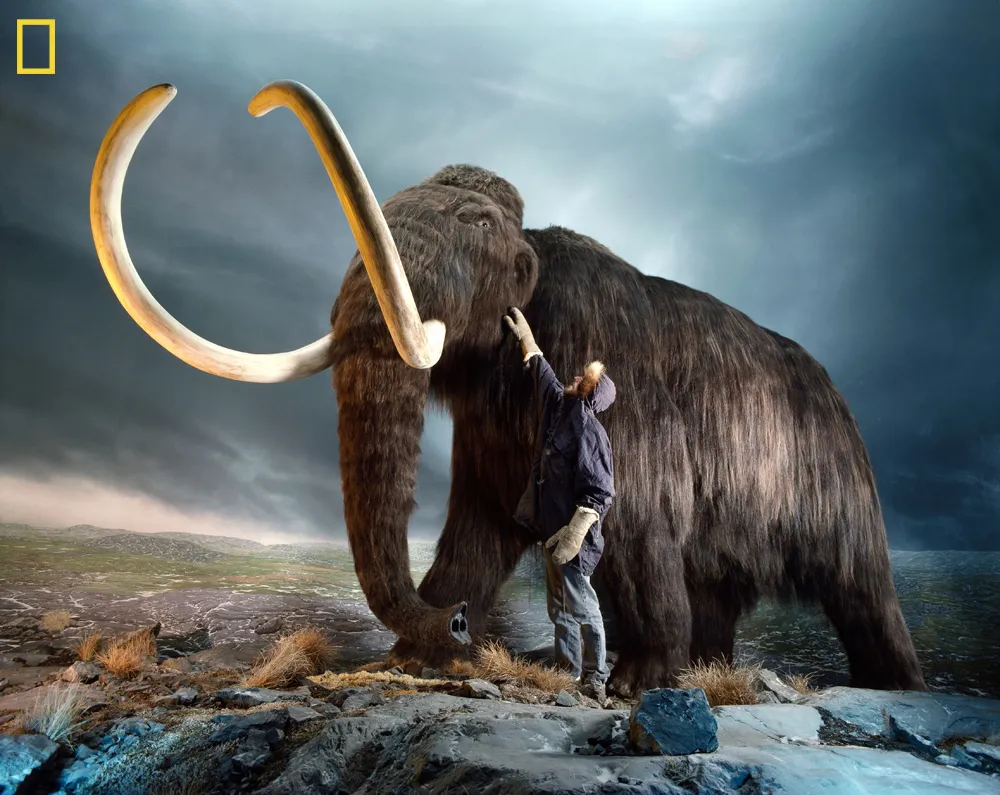
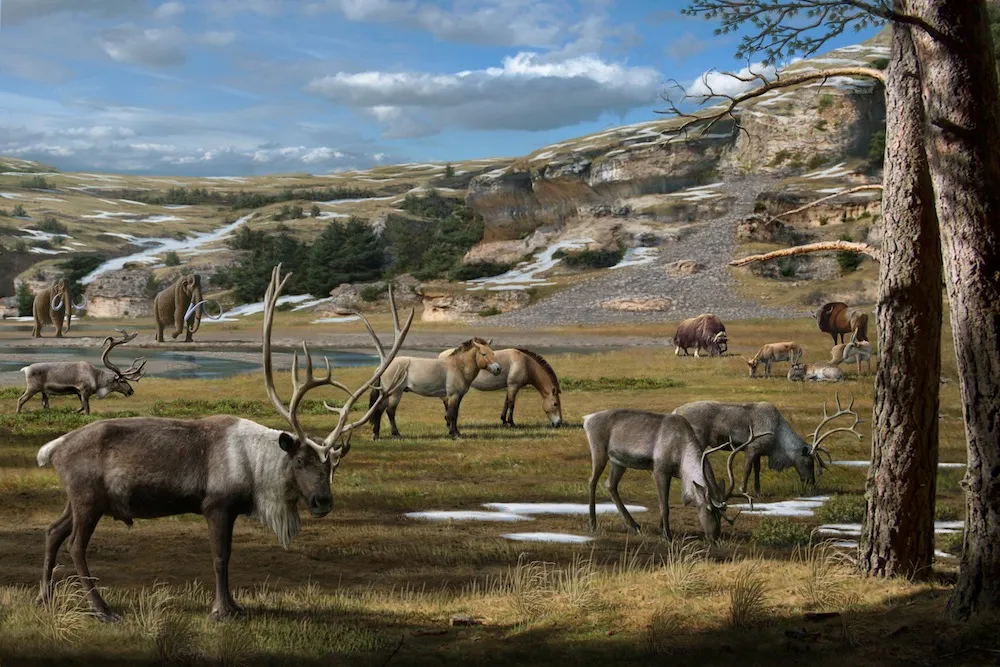
A 2014 study in Nature has found that Arctic mega-beasts like the wooly mammoth may have grazed a much more varied landscape than previously thought.
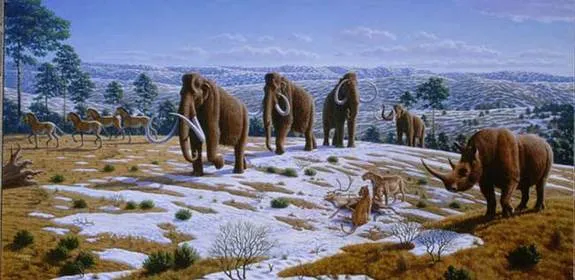
Grassland steppe
(Image credit: Mauricio Anton)
Previously, researchers thought the Arctic looked like monolithic grassland steppe.
Permafrost cores
(Image credit: Ross MacPhee)
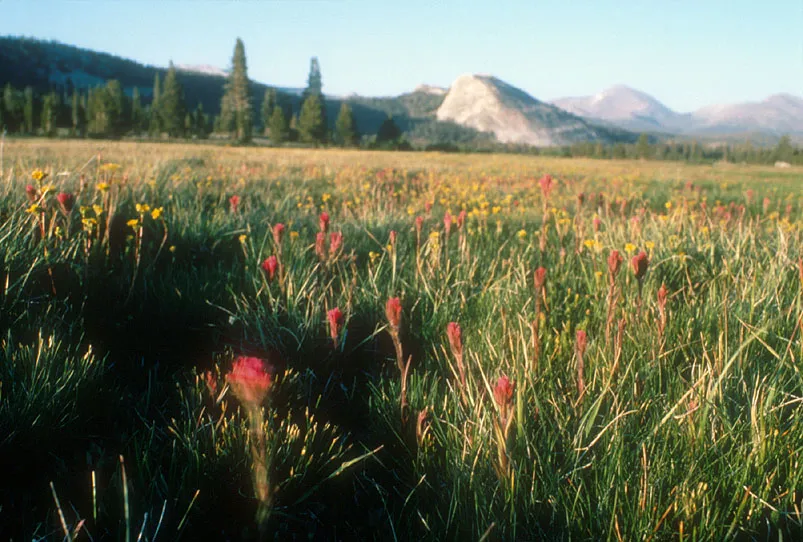
But by analyzing plant DNA in permafrost cores (like the one here from Talmyr, Siberia), the team found that many more wildflower-like plants called forbs were present at the time.
Tia is the editor-in-chief (premium) and was formerly managing editor and senior writer for Live Science. Her work has appeared in Scientific American, Wired.com, Science News and other outlets. She holds a master's degree in bioengineering from the University of Washington, a graduate certificate in science writing from UC Santa Cruz and a bachelor's degree in mechanical engineering from the University of Texas at Austin. Tia was part of a team at the Milwaukee Journal Sentinel that published the Empty Cradles series on preterm births, which won multiple awards, including the 2012 Casey Medal for Meritorious Journalism.