
 Live Science Plus


In Photos: Ancient 'Baby' Animals Preserved in Ash

Ancient Nursery

Researchers have discovered a nursery of what may be the earliest known animals preserved in ash from a Pompeii-style volcanic eruption that smothered them more than a half-billion years ago. Here Oxford University's Jack Matthews photographs the animal fossils, called rangeomorphs, in the rocks at the Mistaken Point Ecological Reserve, Newfoundland.
Baby Rangeomorph

An example of a juvenile rangeomorph fossil Charnia, measuring just 17 millimeters in length. Note the fine detail of the branches. Though the organisms have fernlike structures, researchers suspect they are animals (not plants), since they lived deep underwater where sunlight didn't reach.
Baby Food

A juvenile rangeomorph called Trepassia wardae showing the fine detail of its branching pattern. This specimen is just 3 millimeters wide. The researchers suspect these "baby" animals may have fed on the decaying remains of their parents.

New Life Form

This organism has a long curved stem with fine "branching" at its tip; these branches are some of the smallest organic features preserved at this locality in Newfoundland, where ash from a Pompeii-style eruption preserved them more than a half-billion years ago.
Rocky Shores Nursery

A view of a rocky shore at Mistaken Point Ecological Reserve, Newfoundland, where scientists discovered the fossilized nursery holding what may be Earth's earliest animals.
Little Rangeomorphs
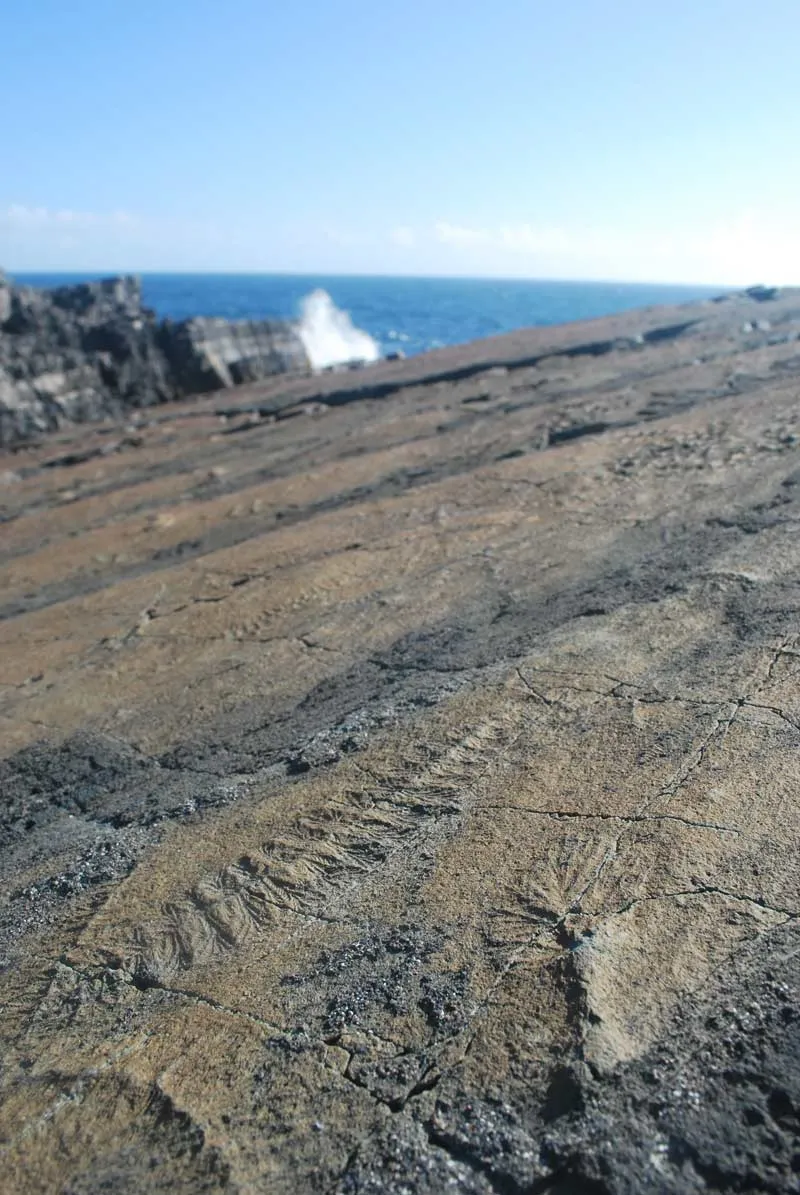
Fossilized rangeomorphs from the 565-million-year-old layer within the Mistaken Point Ecological Reserve in Newfoundland.
Animal Prings

The researchers say the Mistaken Point Ecological Reserve, where the nursery of early animals was discovered, is one of the best localities in the world to observe these organisms and their community relationships.
Bizarre Lfe-Forms

The rangeomorph fossils lived during the Ediacaran period, when the first complex multicellular organisms appeared about 540 million to 635 million years ago. The Ediacaran life-forms are typically bizarre and very difficult to link with any modern animal groups. One example is this 600-million-year-old fossil unearthed in China. Its seaweed-like features, including a holdfast to secure itself to the seafloor and a crown of ribbon-like structures, make the organism tricky to place in either the animal or plant category.
Rangeomorph
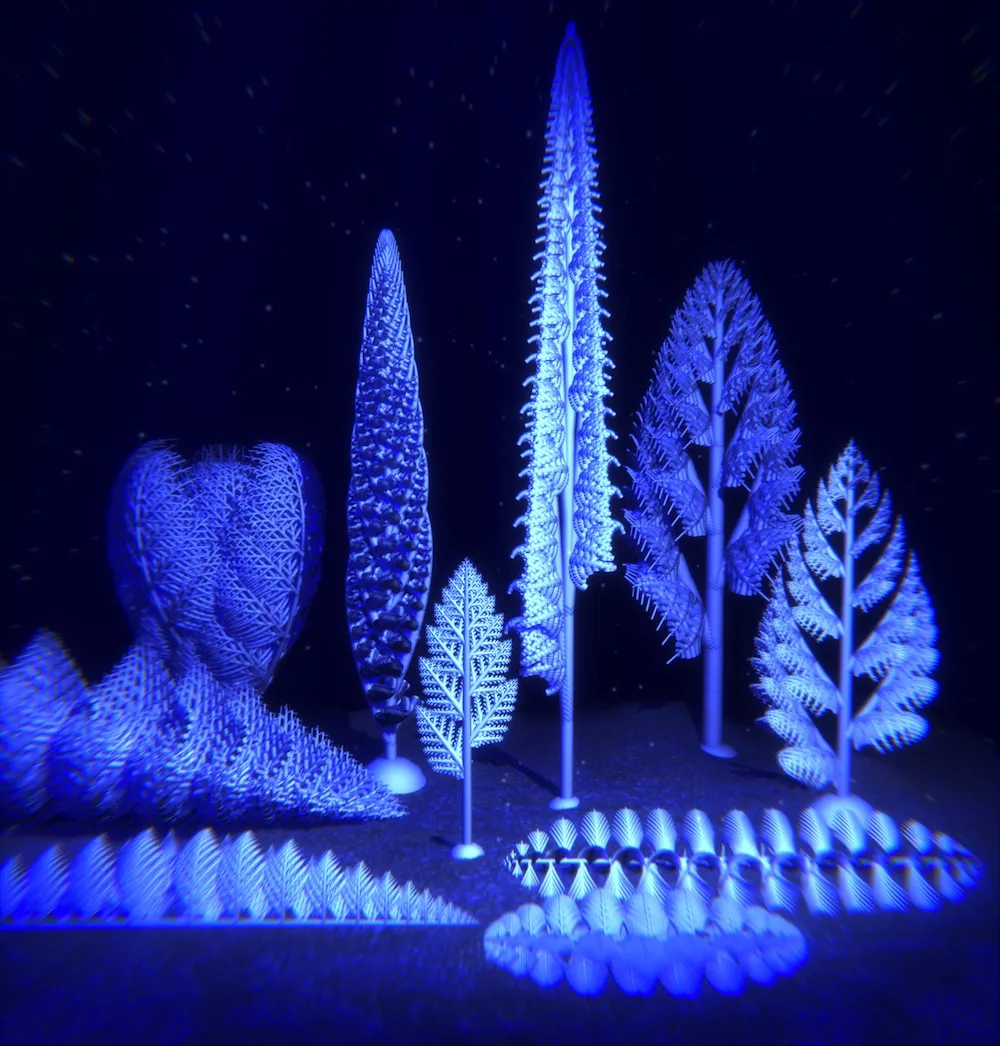
Rangeomorphs were bizarre, fractal creatures that lived in the oceans about 575 million years ago. A new 3D reconstruction suggests the stationary creatures went extinct when fast-moving Cambrian creatures emereged.
Ancient fractal creature

The species reconstruction shown here is based on fossils found in the deep-marine Avalon Assemblage (approximately 575-560 million years ago) known from fossil sites in Canada and the UK,
