













In Photos: Finding Mars on Earth

Searching for Mars on Earth
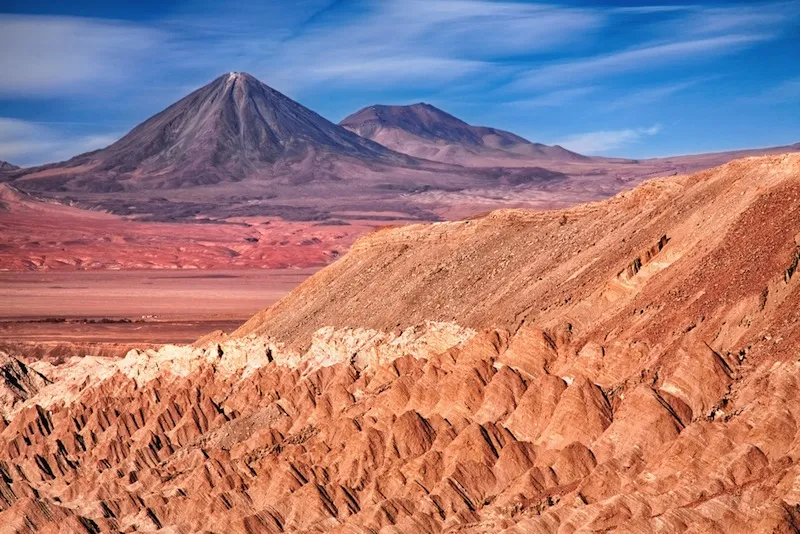
On Mars, the evidence for life could be concealed in rocks that resemble some of Earth's most extreme environments. Scientists from the SETI Institute will spend five years exploring these unusual geologic sites to learn where and how to look for life. Chile's Licancabur volcano, seen here, had a UV index of 43 recorded in 2003. The level is more similar to surface radiation on Mars than typical conditions on Earth.
Lastarria volcano

Lastarria volcano in Chile is one of the few places on Earth where molten sulfur freely flows.
Molten sulfur

Sulfur surrounds a steaming vent, or fumarole, at Lastarria volcano.
Australia's red rocks

Some of Earth's oldest fossils appear in Western Australia's Pilbara region. Looking for signs of life here could lead scientists to similar rocks on Mars.
Ancient life

A Pilbara stromatolite. The dark bands are fossilized microbes. Layer by layers, mats of microbes trapped and built up rock-like mounds of sediment 3.45 billion years ago.
Survivors
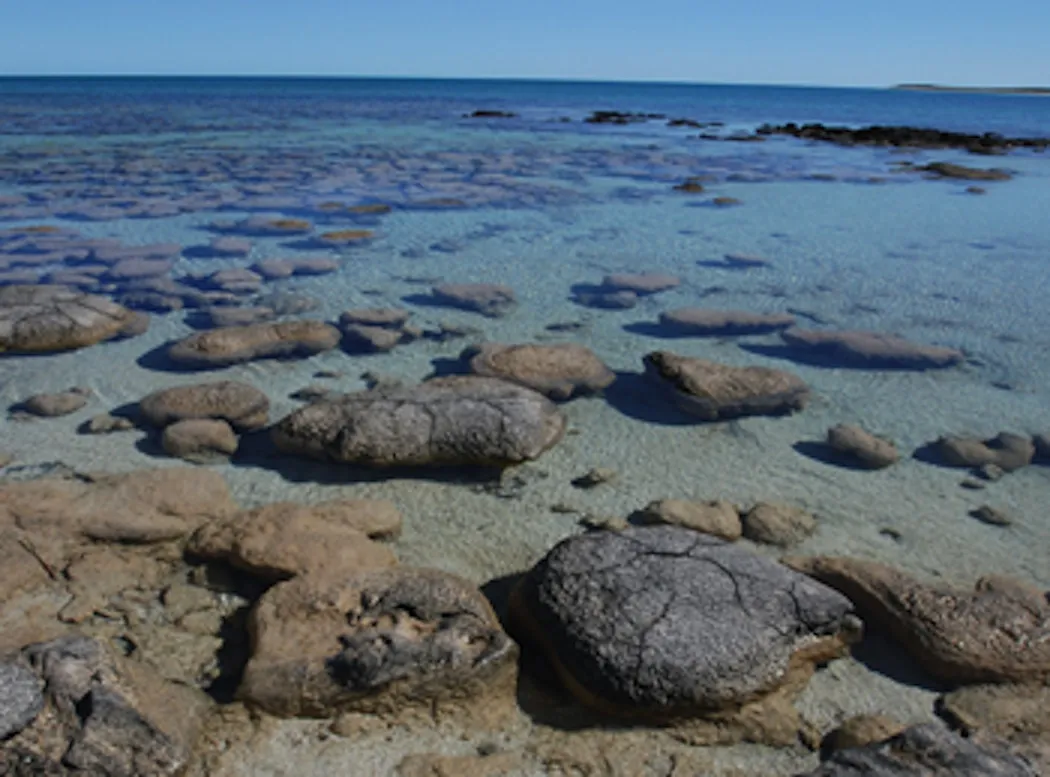
Stromatolites in Sharks Bay, Australia, one of the few places on Earth where these living fossils survive.
Cold and wet

On Axel Heiberg Island in the Canadian Arctic, salty springs flow year-round.
Get the world’s most fascinating discoveries delivered straight to your inbox.
Hardy microbes

Hardy, cold-loving microbes thrive in the cold and west environment, which may mimic conditions on ancient Mars. Here, green cyanobacteria have colonized a rock from Axel Heiberg Island.
The right brew

Some scientists think life may have started on Earth at hydrothermal vents in the ocean, where a rich chemical soup spews from the seafloor. THe SETI researchers will test different methods for finding hydrothermal deposits on Mars.
