














FDA Will Review New Safety Data on Caramel Coloring

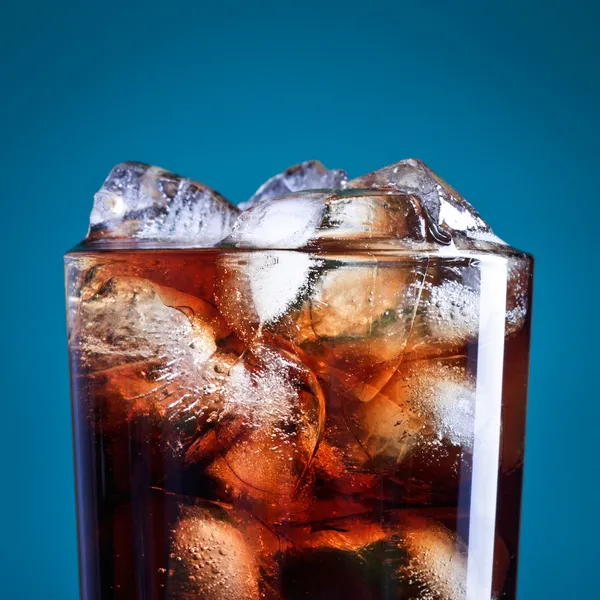
The Food and Drug Administration said it plans to study the safety of a compound found in some caramel food coloring, although previous investigations by the agency showed the compound to be safe.
The announcement comes after a Consumer Reports study concluded that levels of the compound, called 4-methylimidazole, found in soda are too high. The compound 4-methylimidazole (4-MEI) is a byproduct of the manufacturing process of some types of caramel coloring. [Top 10 Cancer-Fighting Foods]
The FDA said it has no reason to believe that the compound is dangerous at the levels found in food and caramel coloring, but will review new data on the subject, according to the Associated Press. One study in mice found that the compound was linked to the development of lung tumors, although the FDA says the mice were exposed to levels of the substance much greater than those found in food.
Still, California requires that any food or beverage that provides more than 29 micrograms of 4-MEI per day carry a cancer warning label. The Consumer Reports study found that some cans of soda purchased in California contained more than this amount.
Follow Rachael Rettner @RachaelRettner. Follow LiveScience @livescience, Facebook & Google+.
Get the world’s most fascinating discoveries delivered straight to your inbox.

Rachael is a Live Science contributor, and was a former channel editor and senior writer for Live Science between 2010 and 2022. She has a master's degree in journalism from New York University's Science, Health and Environmental Reporting Program. She also holds a B.S. in molecular biology and an M.S. in biology from the University of California, San Diego. Her work has appeared in Scienceline, The Washington Post and Scientific American.