













Could Coffee Protect Against Liver Disease in Alcohol Drinkers?
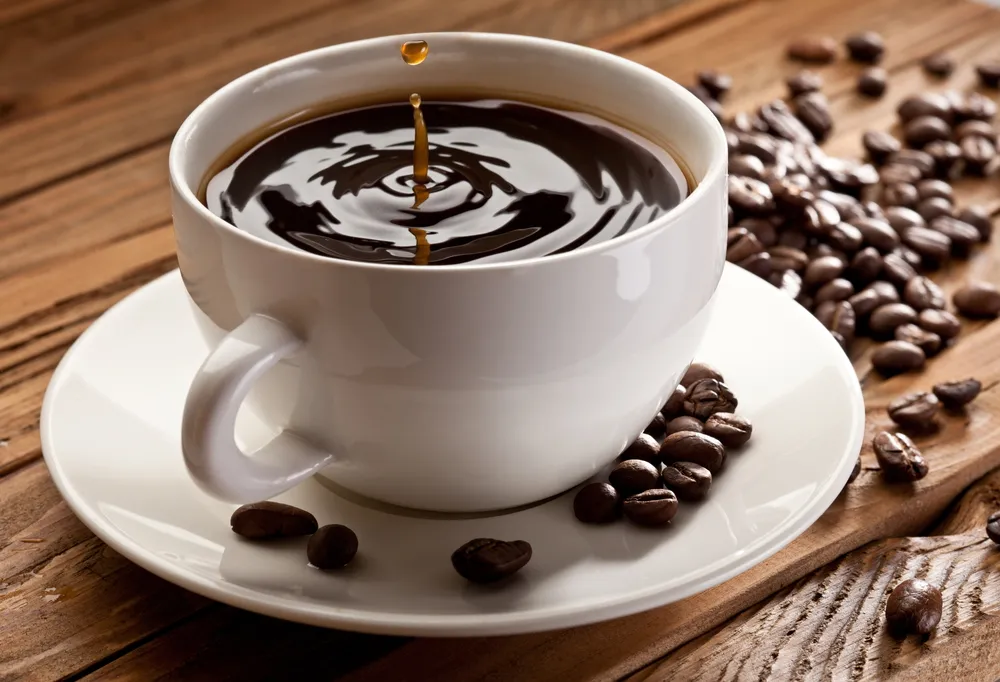
For guys who drink alcohol, heavy coffee consumption may protect against liver damage, according to a new study from Finland.
"Our findings suggest a possible protective effect for coffee intake in alcohol consumers," said study researcher Dr. Onni Niemelä, of Seinäjoki Central Hospital and the University of Tampere in Finland.
The researchers asked nearly 19,000 Finnish men and womenbetween ages 25 and 74 about their coffee and alcohol consumption. They also measured participants' blood levels of the liver enzyme gamma-glutamyl transferase (GGT).
Drinking alcohol raises levels of GGT in the blood. Over time, drinking can also lead to alcoholic liver disease. People with liver disease show higher levels of GGT in their blood. Men in the study who consumed more than 24 alcoholic drinks per week, or about 3.5 drinks daily, had the highest levels of the liver enzyme — about three times higher than men who did not drink alcohol.
But among the men who were heavy drinkers, those who also consumed five or more cups of coffee daily showed a 50 percent reduction in GGT compared with men who drank no coffee.
The researchers found no significant association between coffee consumption and GGT levels in female drinkers.
"The findings are thought-provoking, though it is impossible to derive meaning from them," said Dr. David Bernstein, chief of the division of hepatology at North Shore University Hospital in Manhasset, New York, who was not involved in the new study.
Get the world’s most fascinating discoveries delivered straight to your inbox.
In addition to drinking alcohol, smoking, older age and being overweight can also raise GGT levels. While there were no differences in these variables among heavy drinkers, moderate drinkers, former drinkers and nondrinkers in the study, the researchers cannot say for sure whether some interaction between alcohol and one of these factors affected the results. And participants may not have estimated accurately the amount of coffee and alcohol they drink.
The researchers found that the way that coffee was prepared — whether it was filtered, boiled or served as espresso, for example — did not seem to make a difference in the findings.
Previous studies have suggested that drinking coffee may decrease GGT levels, and that caffeine may play a role in this.
It remains unclear whether elevated levels of the liver enzyme correlate with symptoms of liver disease. "If I go out and have a six-pack tonight, my levels will be up, but it doesn't mean I have liver disease," Bernstein said.
People should not think that drinking more coffee will cancel out the effects of heavy drinking, he said. "We know nothing about whether decreasing levels of the liver enzyme leads to improvements in overall health, or a decreased risk of liver disease," Bernstein said.
The study was published online March 14 in the journal Alcohol and Alcoholism.
Follow MyHealthNewsDaily @MyHealth_MHND, Facebook & Google+.