













New 'Mad Cow' Case Doesn't Threaten Human Health, USDA Says

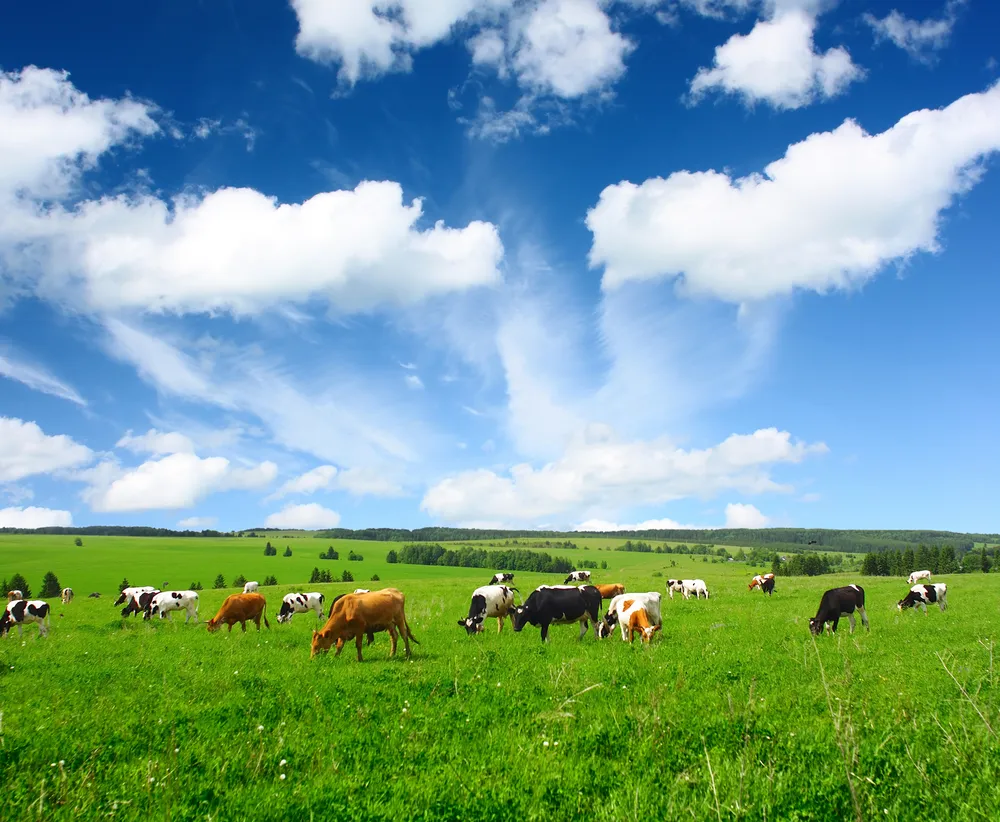
The Department of Agriculture today confirmed the nation's fourth case of mad cow disease in a dairy cow from central California.
The animal "was never presented for slaughter for human consumption, so at no time presented a risk to the food supply or human health," said USDA chief veterinary officer John Clifford in a statement. Moreover, mad cow disease, properly called bovine spongiform encephalopathy (BSE) cannot be transmitted through milk, according to the statement.
The animal's carcass is being held by state authorities and will be destroyed, Clifford said.
In 2011, there were 29 cases of BSE worldwide — that's a 99 percent reduction since the peak in 1992 of 37,311 cases, Clifford said. "This is directly attributable to the impact and effectiveness of feed bans as a primary control measure for the disease," he said.
BSE is a fatal neurological disorder in cattle that results from infection by unusual protein called prions. It's believed that people can contract a related disease, called variant Creutzfeldt-Jakob disease, by eating infected meat, according to the Centers for Disease Control and Prevention.
Cases of Creutzfeldt-Jakob disease are extremely rare — there is an estimated one case diagnosed per 1 million people worldwide each year.
Safeguards to protect against BSE in the U.S. include a ban on using parts of the animal most likely to contain the prions, a ban on any animals that appear unable to walk around (sometimes called "downer" cattle) from entering the food supply, and a ban on using any material from cattle or other ruminants in cattle feed, Clifford said.
Get the world’s most fascinating discoveries delivered straight to your inbox.
The USDA's National Veterinary Services Laboratories in Ames, Iowa tested samples from the infected cow and confirmed that it had atypical BSE, a very rare form of the disease not generally associated with an animal consuming infected feed.
The lab results will be shared with laboratories in other countries, and the health agencies here will further investigate the animal's case. The detection should not affect U.S. trade, he said.
Pass it on: A confirmed case of mad cow disease in a California dairy cow is not a threat to human health.
Follow MyHealthNewsDaily on Twitter @MyHealth_MHND. Find us on Facebook.
