













Risk of Appendix Ruptures Grows with Fewer Pediatricians

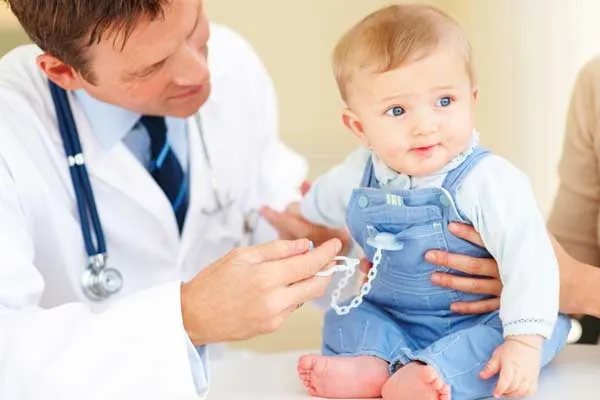
Children living in areas with fewer pediatricians are more likely to suffer life-threatening ruptures of the appendix than those in areas with more pediatricians, even when other factors such as the number of hospitals in the area are taken into account, according to a new study.
Appendix ruptures can occur as a complication of appendicitis, and often strike because diagnosis or surgery to remove the appendix is delayed. Appendicitis occurs when the appendix becomes infected or inflamed.
Researchers from Johns Hopkins Children's Center found that 12 percent more children ended up with a ruptured appendix in the area with the fewest pediatricians than in the area with the most pediatricians.
"Our analysis shows that the most potent predictor of outcome in children with appendicitis was the number of pediatricians available in an area, emphasizing the pivotal role they play as the point of first contact in the care of a sick child," said study researcher Dr. Fizan Abdullah, a pediatric surgeon at Johns Hopkins Children's Center.
Of the 241,301 children in the study with appendicitis, 77,097 suffered a ruptured appendix. Nationwide each year, 77,000 children develop appendicitis, and an estimated one-third of them suffer a ruptured appendix, the researchers said.
The researchers based their analysis of children's hospital records and the number of pediatricians per capita in the counties where the children lived.
They found that other factors, the number of hospitals in the area, the number of emergency room physicians , household income and race, did not affect the children's risk of an appendix rupture.
Get the world’s most fascinating discoveries delivered straight to your inbox.
The death rate was seven times higher among children with a ruptured appendix than in children with appendicitis who did not suffer other complications (0.01 percent vs. 0.07 percent).
Children with perforated appendix were hospitalized for twice as long five days instead of two as children without complications, doubling the cost of care, from $10,385 to $20,581, on average.
The researchers said that health officials and policymakers should pay special attention to geographic areas with severe shortages of pediatricians and high rates of appendicitis complications, and take steps to address the shortages as a life-saving and cost-cutting measure.
The study was published online in the December issue of the journal Archives of Surgery.
