













5 Meningitis Facts You Need to Know

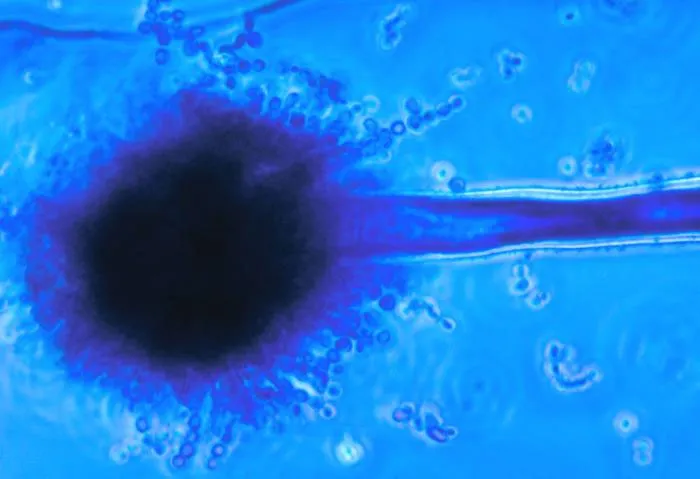
The outbreak of fungalmeningitis tied to steroid shots for back pain has grown to include 91 cases in nine states, health officials said yesterday. Here are five things you should know about meningitis and this outbreak.
What causes meningitis?
Meningitis is a swelling or inflammation of the membranes that cover the brain and spinal cord (which are called the meninges). A number of things can cause meningitis. Usually the swelling is caused by an infection with a virus or bacteria, but it can also be caused by infection with a fungus or parasite. Head injuries, brain surgery and some cancers can also cause meningitis.
When meningitis is caused by a virus or bacteria, it can spread from person to person. However, meningitis caused by a fungus is not contagious. People affected by the current outbreak of fungal meningitis became ill after injections of a steroid drug contaminated with fungus were administered into their spines.
People who have received a steroid injection shot for back pain since May 21 should talk to their doctor as soon as possible if they have experienced any of the following symptoms: new or worsening headache, fever, sensitivity to light, stiff neck, slurred speech, new weakness or numbness in any part of your body, or increased pain, swelling or redness at the injection site.
Why are steroids given for back pain?
Steroid shots are sometimes used to treat lower back pain, such as pain caused by swelling (inflammation) around compressed nerves in lower back. The rationale for the therapy is that steroids reduce inflammation, and so they may help with the pain. However, evidence that these injections work to reduce lower back pain has been mixed. A study published last year found the drugs work no better than a placebo.
Get the world’s most fascinating discoveries delivered straight to your inbox.
Why is the number of cases still increasing?
The rising number of cases in themeningitis outbreak does not mean doctors are still using the tainted drugs. Symptoms take one to four weeks to appear, so some people who received shots prior to the recall may still develop meningitis. In other cases, people may have fallen sick sometime in the past several months after receiving an injection, but doctors are now better able to identify the cause of their illnesses.
Are people who received steroid shots to treat something other than back pain affected by the outbreak?
So far, the only people who have fallen ill in the meningitis outbreak received the steroid shots in their spine as treatment for lower back pain. However, the recalled steroid drugs were also used in other ways, such as injections into joints to treat joint pain, according to the Centers for Disease Control and Prevention (CDC). Patients who received other types of injections with the recalled products may also be at risk, the CDC says.
How can I find out if the medication I received is part of the recall?
All of the facilities that received the potentially contaminated steroid shots, made by the New England Compounding Center (NECC), have been listed by the CDC.
In addition to the contaminated steroid shots, all products made by the NECC are also being recalled. A full list of the recalled productswas released by the company.
Patients who are concerned they may have been treated with any of the recalled products should speak with their health care provider.
This story was provided by MyHealthNewsDaily, a sister site to LiveScience. Follow MyHealthNewsDaily on Twitter @MyHealth_MHND. We're also on Facebook & Google+.
