













Gila Monster Saliva Reduces Food Cravings

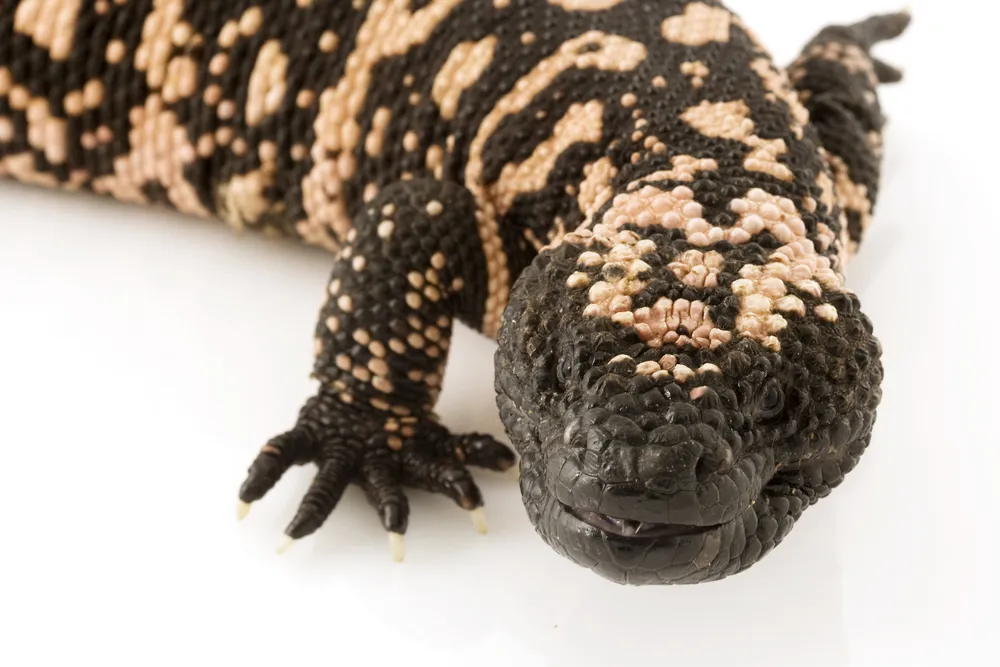
A naturally occurring compound in the saliva of the Gila monster lizard helps reduce food cravings, by downgrading how rewarding a sweet treat is to rats, new research suggests.
After ingesting the compound, called exendin-4, the rats lost their cravings for both food and chocolate, the researchers said. Their study will be published in the April 4th issue of the Journal of Neuroscience.
"The implications of the findings are significant," study researcher Suzanne Dickson, of the University of Gothenburg, said in a statement. "Most dieting fails because we are obsessed with the desire to eat, especially tempting foods like sweets. As exendin-4 suppresses the cravings for food, it can help obese people to take control of their weight."
In the study they found that the compound makes eating less rewarding in the brain, a reaction that can get out of control in obese people, who keep eating in search of more rewarding activity in the brain and often become addicted to eating.
"This is both unknown and quite unexpected effect," study researcher Karolina Skibicka, also of the University of Gothenburg, said in a statement. "Our decision to eat is linked to the same mechanisms in the brain which control addictive behaviors. We have shown that exendin-4 affects the reward and motivation regions of the brain."
Research on exendin-4 also gives hope for new ways to treat eating disorders, for example, compulsive overeating. They also think that exendin-4 may be used to reduce alcohol or drug cravings, Skibicka said: "It is the same brain regions which are involved in food cravings and alcohol cravings, so it would be very interesting to test whether exendin-4 also reduces the cravings for alcohol."
A synthetic version of exendin-4 is currently available (it's called Exenatide), and is used by type 2 diabetics to help control blood sugar levels.
Get the world’s most fascinating discoveries delivered straight to your inbox.
