













Bugs Use Plants as Telephones

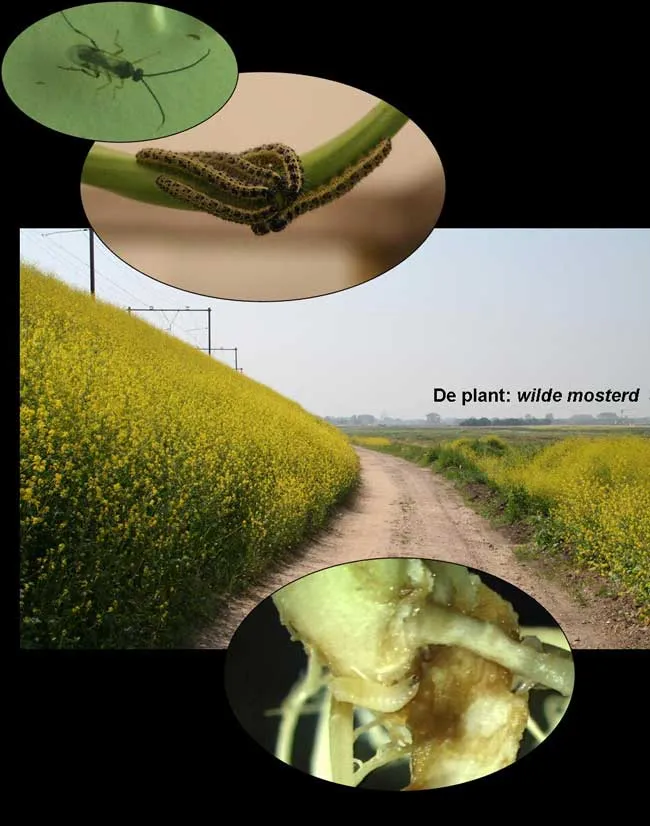
"Hello? Yes, this is my plant. Thanks. Bye-bye."
That's the underground half of a conversation between bugs on a mustard plant. Scientists have discovered the insects below and above use the plant like a chemical telephone.
A team of researchers led by Roxina Soler, an ecologist at the Netherlands Institute for Ecology, are not sure how widespread the phenomenon is.
The organic chat is a friendly one: Leaf-munching insects above ground prefer plants unoccupied by root-eaters.
When a subterranean insect takes up residence below a plant, it settles in to feast on the plant's roots. In order to alert leaf-eating insects of the "no vacancy," the underground insect sends a chemical warning signal through the plant leaves, so the leafeaters are alerted that the plant is occupied.
Recent studies have revealed different types of aboveground insects develop slowly if they feed on plants that harbor subterranean residents and vice versa.
So the green phone lines keep insects from unintentionally competing for the same plant.
Get the world’s most fascinating discoveries delivered straight to your inbox.
Turns out, the subterranean insects can also communicate with a third party via the biophone, namely the natural enemy of caterpillars — parasitic wasps.
The chemicals emitted by the leaves give the wasps information about the occupancy of different plants. Since the parasitic wasps lay their eggs inside aboveground insects, they would do well to stop by plants unoccupied by the underground root-eaters.
The research, announced today, was funded by the Free Competition of NWO Earth and Life Sciences.
- Wow! Secret Bug Weapons
- Top 10 Animal Senses Humans Don't Have
- Backyard Bugs: Best of Your Images
