













The Purest Cynics are in Kindergarten

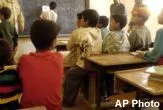
Cynicism takes hold early in humans, if you believe a new study from Yale.
Kids in fact appear to be better at it than you.
The study involved 20 children each in kindergarten, second grade and fourth grade. They were told short stories in which the characters made statements that were in their best self-interest in competitive situations.
Outright lies were generally recognized by all the children. But when the statement could affect the outcome of a close contest, the second graders, compared to the younger children, exhibited more savvy in recognizing cases in which self-interest might also involve inaccurate claims.
"As adults, we recognize that a person's self-interests, such as their desire to win recognition or fit in with their peers, can influence what they say and believe about the world," said Candice Mills, a graduate student in the Department of Psychology who worked on the study. "Our research shows that children may be more gullible than adults, but the seeds of doubt are also present from an early age and develop dramatically in the elementary school years."
If the seeds of doubt are planted early, they also appear to flower pretty quickly.
In a separate test in the same study, the kindergartners were the most likely to think characters were lying, whereas the older children tended to attribute inaccurate statements to pure mistake.
Get the world’s most fascinating discoveries delivered straight to your inbox.
"Most elementary school age children are in fact harsher judges of others than adults and older children," said study leader Frank Keil, a professor of psychology and linguistics. "It seems that, early on, it is much easier to see falsehoods as caused by deliberate malice than as caused unwittingly by desires."
Related Stories
- Children Beat Adults in Memory Contest
- Scientists Say Everyone Can Read Minds
- Study Finds Kids Can't Hit Slow Pitches
- TV Turns Kids into Bullies
