
-
 'In that moment, that was everything to me': Patient describes joy of regaining vision in 1 eye after new stem cell therapy
A first-of-its-kind stem cell transplant has changed the life of a man who was left blind in one eye following a firework accident.
7 Commentssurgery -
 New stem cell therapy could repair 'irreversible' and blinding eye damage, trial finds
A new therapy repairs corneal damage to a patient's eye using stem cells from their other, healthy eye.
surgery -
 Surgeons remove parasitic twin from teenager who had legs growing out of his chest
A rare parasitic twin protruding from the chest of a 17-year-old boy has been removed by surgeons in Delhi, India.
9 Commentssurgery -
 'She was waiting for a 1-in-a-million match': Alabama woman is the 3rd patient to ever get a pig kidney
An Alabama woman underwent a transplant procedure to get a new kidney from a gene-edited pig.
surgery -
 Scientists reveal 'neural tourniquet' that can stop bleeding with nerve stimulation
Researchers stimulated the vagus nerve in healthy volunteers and showed it triggered blood clot formation, which they say could be used to prevent blood loss after surgery.
surgery -
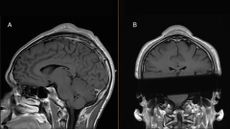 Man developed a 'headspin hole' after years of breakdancing, case report says
Doctors describe "breakdance bulge," a unique head injury among dancers, in a new case report.
surgery -
 Scientists restore monkey's vision with a patch made from human stem cells
Scientists were able to treat a "macular hole" in a monkey, helping to restore the animal's vision thanks to human stem cells.
surgery -
 Kidneys donated by Black people are more likely to be thrown away. A bioethicist explains why.
As it is now, the U.S. transplant system treats kidneys from all Black donors as if they are at higher risk for failing, even though only some are.
surgery -
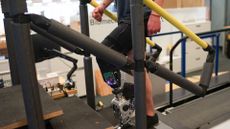 Bionic legs plugged directly into nervous system enable unprecedented 'level of brain control'
A first-of-its-kind study demonstrated that a new nervous system-controlled bionic leg helps leg amputees walk more naturally than traditional prosthesis.
surgery


