Livescience Livescience
Sign in
  • View Profile
  • Sign out
  • Animals
    • Aquatic animals
      • Fish
      • Sharks
      • Mollusks
      • Octopuses
      • Squids
    • Reptiles, amphibians, insects and arachnids
      • Reptiles
      • Snakes
      • Turtles and tortoises
      • Lizards
      • Amphibians
      • Alligators and crocodiles
      • Spiders and other arachnids
      • Insects
    • Mammals
      • Bears
      • Cats
      • Dogs
      • Elephants
      • Primates
      • Dolphins
      • Orcas
      • Whales
    • Birds
    • Extinct species
      • Dinosaurs
      • Mammoths
  • Archaeology
    • Human evolution
      • Neanderthals
    • Regions
      • The Americas
      • Ancient China
      • Middle East
    • Cultures
      • Romans
      • Vikings
      • Ancient Egyptians
  • Health
    • The human body
      • Aging
      • Allergies
      • Anatomy
      • Exercise
      • Food and drink
      • Genetics
      • Heart and circulation
      • Immune system
      • Medicine and drugs
      • Neuroscience
      • Reproductive health
      • Sex
      • Sleep
      • Surgery
    • Viruses, infections and disease
      • Alzheimer's and dementia
      • Bacterial and fungal infections
      • Cancer
      • Coronavirus
      • Flu
      • HIV
    • Human behavior
      • Arts and entertainment
      • Conspiracies and paranormal
      • Education
      • Psychology
    • Mathematics
    • Particle physics
    • Quantum physics
    • Chemistry
  • Planet Earth
    • Earth science
      • Earthquakes
      • Volcanoes
      • Weather
      • Geology
    • Climate change
      • Fossil fuels
      • Nuclear energy
      • Renewable energy
      • Antarctica
      • Arctic
    • Nature
      • Plants
      • Rivers and oceans
      • Evolution
  • Space
    • Astronomy
      • Asteroids
      • Black holes
      • Comets
      • Cosmology
      • Meteoroids
      • Exoplanets
    • The solar system
      • The sun
      • The moon
      • Mercury
      • Venus
      • Mars
      • Jupiter
      • Saturn
      • Uranus
      • Pluto
    • Space exploration
      • Extraterrestrial life
      • Stargazing
      • NASA
      • Space photo of the week
  • Technology
    • Artificial intelligence
    • Communications
    • Computing
    • Mixed reality
    • Quantum computing
    • Electric vehicles
    • Engineering
    • Electronic engineering
    • Robotics
    • Products
      • Health and fitness
      • Optics
      • STEM toys and games
      • Tech and gadgets
    • By type
      • News
      • Features
      • Opinion
      • Interviews
    • More
      • About us
      • Newsletters
      • Follow us
      • Archive
  • Home
  • Animals
    • View Animals
    • Aquatic animals
      • View Aquatic animals
      • Fish
      • Sharks
      • Mollusks
      • Octopuses
      • Squids
      • Reptiles
      • Snakes
      • Turtles and tortoises
      • Lizards
      • Amphibians
      • Alligators and crocodiles
      • Spiders and other arachnids
      • Insects
      • Bears
      • Cats
      • Dogs
      • Elephants
      • Primates
      • Dolphins
      • Orcas
      • Whales
    • Birds
    • Extinct species
      • View Extinct species
      • Dinosaurs
      • Mammoths
  • Archaeology
    • View Archaeology
    • Human evolution
      • View Human evolution
      • Neanderthals
      • The Americas
      • Ancient China
      • Middle East
      • Romans
      • Vikings
      • Ancient Egyptians
  • Health
    • View Health
      • Aging
      • Allergies
      • Anatomy
      • Exercise
      • Food and drink
      • Genetics
      • Heart and circulation
      • Immune system
      • Medicine and drugs
      • Neuroscience
      • Reproductive health
      • Sex
      • Sleep
      • Surgery
      • Alzheimer's and dementia
      • Bacterial and fungal infections
      • Cancer
      • Coronavirus
      • Flu
      • HIV
    • Human behavior
      • View Human behavior
      • Arts and entertainment
      • Conspiracies and paranormal
      • Education
      • Psychology
    • Mathematics
    • Particle physics
    • Quantum physics
    • Chemistry
  • Planet Earth
    • View Planet Earth
      • Earthquakes
      • Volcanoes
      • Weather
      • Geology
    • Climate change
      • View Climate change
      • Fossil fuels
      • Nuclear energy
      • Renewable energy
      • Antarctica
      • Arctic
      • Plants
      • Rivers and oceans
      • Evolution
  • Space
    • View Space
    • Astronomy
      • View Astronomy
      • Asteroids
      • Black holes
      • Comets
      • Cosmology
      • Meteoroids
      • Exoplanets
    • The solar system
      • View The solar system
      • The sun
      • The moon
      • Mercury
      • Venus
      • Mars
      • Jupiter
      • Saturn
      • Uranus
      • Pluto
    • Space exploration
      • View Space exploration
      • Extraterrestrial life
      • Stargazing
      • NASA
      • Space photo of the week
  • Technology
    • View Technology
    • Artificial intelligence
    • Communications
    • Computing
    • Mixed reality
    • Quantum computing
    • Electric vehicles
    • Engineering
    • Electronic engineering
    • Robotics
    • Products
      • View Products
      • Health and fitness
      • Optics
      • STEM toys and games
      • Tech and gadgets
      • News
      • Features
      • Opinion
      • Interviews
      • About us
      • Newsletters
      • Follow us
      • Archive
  • Sign up for our newsletters Newsletter
  • RSS
    Trending
    • Lasker Awards
    • Harvest Moon
    • Record California rain
    • Safest place on Earth
    • Live Science Pro

    When you purchase through links on our site, we may earn an affiliate commission. Here’s how it works.

    Racheal Ede

    Racheal Ede

    Live Science Contributor

    Racheal Ede is a freelance health writer. Her work has been published by Forbes Health, Motherly, Singlecare and Business Insider, among others. She holds a Bachelor of Science degree in medical laboratory sciences from the University of Nigeria. She uses her domain knowledge of science and medicine to create content on different health and science topics.

    close up on a middle aged white woman's face as she tweezes her left eyebrow, squinting slightly
    Why don't overplucked eyebrows fully grow back?

    Taking tweezers to your eyebrows can yield unpredictable results. So what determines if your eyebrows grow back after you pluck them?

    health
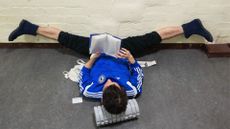
    • a male ballet dancer wearing black athletic pants, a blue adidas zip up jacket, and insulated boots lies on his back reading with his legs propped up in a straddle split against a wall. His head is resting on a foam roller as he reads
      What determines how flexible you are?

      A person's flexibility is determined by many factors, including the structure of their joints, length of their muscle fibers and suppleness of their connective tissues.

      By Racheal Ede Published 18 July 23

      exercise
    • white woman with blonde hair pictured walking down a city sidewalk at night with her phone illuminating her face. She's looking up at the surrounding scene as if confused
      What is the science behind déjà vu?

      Déjà vu, the feeling of having experienced something before, is very common, but why does it happen?

      By Racheal Ede Published 31 May 23

      neuroscience
    • Young Asian woman sat on her sofa watching television
      Rest and digest: The parasympathetic nervous system

      The parasympathetic nervous system is the housekeeping manager for the body.

      By Racheal Ede Published 8 March 23

      health
    Useful links
    Feed your curiosity
    • Life's Little Mysteries
    • Earth from space
    • Diagnostic dilemmas
    • Astonishing artifacts
    Grow your knowledge
    • Jaw-dropping James Webb Space Telescope images
    • Amazing women in science and math
    • Explore the periodic table of elements
    • Uncanny facial reconstructions from history
    Science in your life
    • Science quizzes and games
    • Beginner's guide to wildlife photography
    • The best telescopes for spotting stars and planets
    • Mind-blowing science facts
    Ls Logo

    Live Science is part of Future US Inc, an international media group and leading digital publisher. Visit our corporate site.

    Add as a preferred source on Google Add as a preferred source on Google
    • Accessibility Statement
    • Contact Future's experts
    • About Us
    • Terms and conditions
    • Privacy policy
    • Cookies policy
    • Advertise with us
    • Web notifications
    • Careers
    • Editorial standards
    • How to pitch a story to us

    © Future US, Inc. Full 7th Floor, 130 West 42nd Street, New York, NY 10036.

    Please login or signup to comment

    Please wait...