













Mystery Wave Strikes Maine Harbor

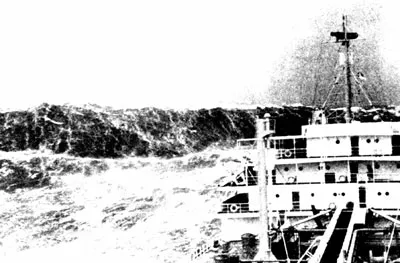
A series of large, unexpected tsunami-like waves as high as 12 feet struck Maine's Boothbay Harbor on Oct. 28, and there's still no explanation for what caused them.
From the Boston Globe: "The waves could have been caused by a powerful storm squall or the slumping of mountains of sediment from a steep canyon in the ocean — a sort of mini tsunami. The last time such rogue waves appeared in Maine was at Bass Harbor in 1926."
Damage estimates range from $10,000 to $20,000.
Rogue waves on the open ocean are known to come out of the blue and sink ships. They soar up to 100 feet and have long been thought of as myths, in part because they typically leave no survivors. But an 80-foot rogue wave was measured by instruments on a North Sea oil platform in 1995. A study earlier this year found that tiny waves can concentrate together to become huge rogues very quickly in rare circumstances.
Tsunamis can be caused by undersea earthquake, as was the case with the 2004 Indian Ocean catastrophe. But seafloor "landslides" can do the trick, too. The thing about a tsunami: it can be just inches tall on the open ocean — practically unnoticeable — but when it nears shore, the shallower seafloor forces the wave up. A tsunami is not one wave, but a series — much like what was desribed in Maine, where a witness said the water rose, receded, and rose again 15 minutes later, then once more.
- Gallery: Monster Waves
This article is from the LiveScience Water Cooler: What people are talking about in the world of science and beyond.
Get the world’s most fascinating discoveries delivered straight to your inbox.

Robert is an independent health and science journalist and writer based in Phoenix, Arizona. He is a former editor-in-chief of Live Science with over 20 years of experience as a reporter and editor. He has worked on websites such as Space.com and Tom's Guide, and is a contributor on Medium, covering how we age and how to optimize the mind and body through time. He has a journalism degree from Humboldt State University in California.