














Marine Reserve Helps Fish — and Fishermen

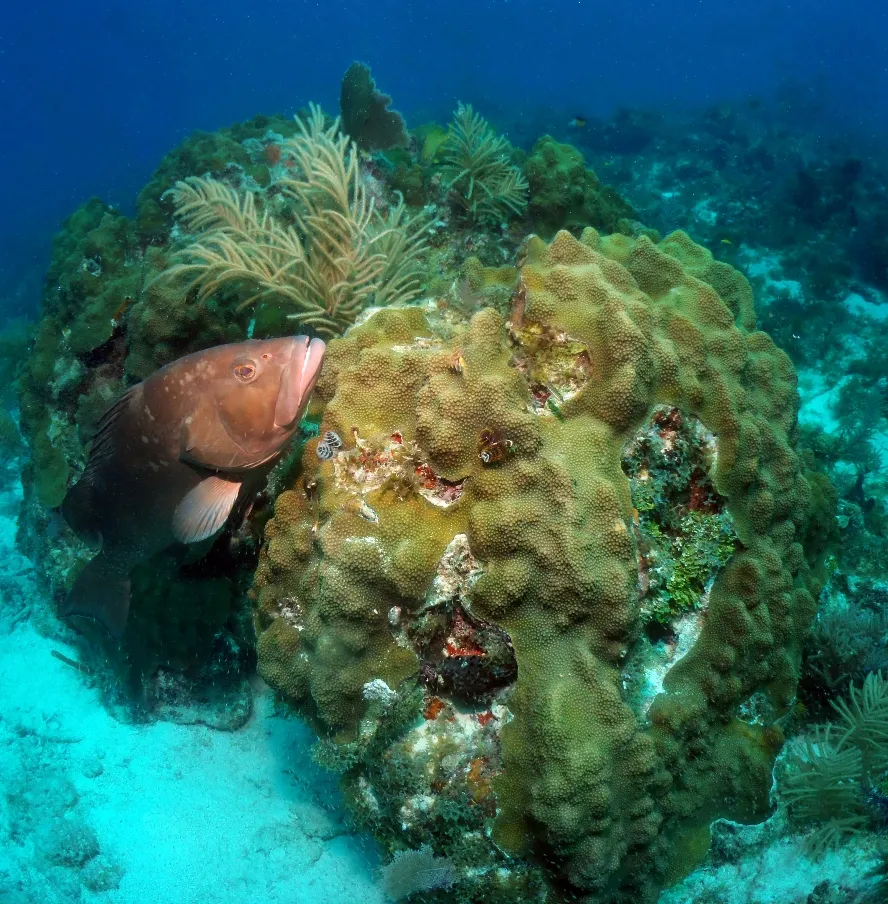
Both fishermen and fish species have benefited from "no-take" protections at a marine reserve in the Florida Keys, according to a government report.
The report found that overfished species — including red and black grouper, yellowtail and mutton snapper —have increased in abundance and size inside the reserve and throughout the area, according to a statement from the National Oceanic and Atmospheric Administration (NOAA). In other words, there are more, and bigger, fish.
The mutton snapper, once thought to be fished into oblivion in the area, has also been spotted spawning inside the Tortugas Ecological Reserve, which is part of the Florida Keys National Marine Sanctuary, the release noted.
Meanwhile, commercial catches of reef-dwelling fish in the area have increased, and continue to rise, according to the statement.
"This research shows that marine reserves and economically viable fishing industries can coexist," said Sean Morton, with NOAA's Office of National Marine Sanctuaries, in the statement. "The health of our economy is tied to the health of our oceans. They are not mutually exclusive."
Commercial catches in Key West had an estimated value of $56 million in 2011, up from $40 million in 2001, when the reserve was created, according to the report. Recreation and tourism support about 33,000 jobs in the Keys, it added.
Multiple studies from around the world have shown that marine reserves can replenish populations of fish outside the area by serving as spawning grounds and nurseries for young fish.
Get the world’s most fascinating discoveries delivered straight to your inbox.
Reach Douglas Main at [email protected]. Follow him on Twitter @Douglas_Main. Follow OurAmazingPlanet on Twitter @OAPlanet. We're also on Facebook and Google+.
