













New 'iShack' Dwelling Brings Solar Power to Slums

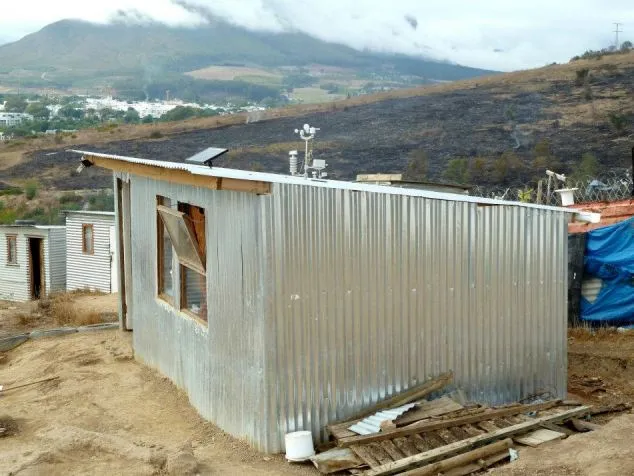
A little technology can go a long way, especially in sub-Saharan Africa. And a new, high-tech type of dwelling called the iShack hopes to make a big difference in the lives of people in shantytowns all across the African continent.
From a distance, the iShack looks like many other small homes in the slum of Enkanini, South Africa, with its sheet-metal exterior and single front door. Step a little closer, however, and a small solar panel on the roof of the prototype building comes into view.
The solar panel provides enough electricity to power three interior lights, plus an electric recharger for a cellphone and an exterior motion-detector spotlight, according to CNN.com.
Designed by researchers at the University of Stellenbosch in South Africa, the iShack (short for "improved shack") has attracted the attention of the Bill and Melinda Gates Foundation, which is providing grant money to build up to 100 of the structures, according to the Daily Mail. If the pilot program is successful, the foundation hopes to install more iShacks throughout the region.
The United Nations estimates 62 percent of urban dwellers in sub-Saharan Africa live in slums like Enkanini, according to the Daily Mail. Most of these people have no access to electricity or water.
Slums are rapidly becoming the standard of living in many developing countries. The U.N. estimates some 2.6 billion people worldwide live in areas without access to sanitary toilet or sewage facilities, creating a massive sanitation problem with important public health ramifications.
Design innovations are helping to ease living conditions in these overcrowded areas. For example, half-filled water bottles — developed by slum dwellers in Brazil — are being used as crude "solar lights" to illuminate buildings in slums where no electricity is available.
Get the world’s most fascinating discoveries delivered straight to your inbox.
Nosango Plaatjie, a domestic worker, lives in the iShack prototype with her daughter. Not only does she feel safer with the iShack's lighting, it's helping her daughter get through school.
"Now we don't need to go to sleep early anymore because now we have lights," Plaatjie told CNN.com. "My daughter must do her homework now — she doesn't have any more excuses."
Follow Live Science on Twitter @livescience. We're also on Facebook& Google+.
