













Progesterone Test Could Reveal Miscarriage Risk

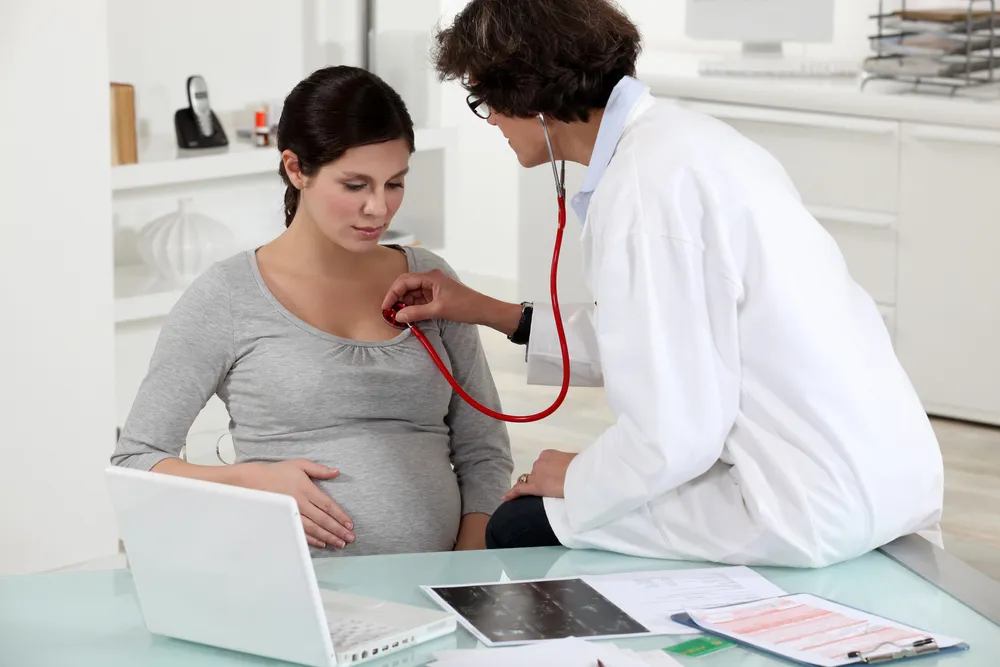
In early pregnancy, abdominal pain and vaginal bleeding may be signs of a miscarriage, but current tests cannot always tell.
A new study finds a single test of progesterone levels in women with these symptoms could help discriminate between a viable and nonviable pregnancy.
In the vast majority of cases in the study, women with low progesterone levels had nonviable pregnancies, the researchers said.
The progesterone test was most accurate when performed in conjunction with a transvaginal ultrasound, according to the study, which was published today (Sept. 27) in the British Medical Journal.
Further trials should be conducted to examine whether adding this test to the existing protocol for assessing the possibility of miscarriage improves upon current practices, the researchers said.
About a third of pregnant women have abdominal pain or vaginal bleeding during the first trimester. An ultrasound can suggest whether the pregnancy is viable, but in up to 30 percent of cases, the results are inconclusive. Doctors also can test for the hormone HCG, which is produced in pregnancy, but these tests often need to be performed more than once to be useful in diagnosing nonviable pregnancies, the researchers said.
Progesterone is a female hormone that increases in concentration during pregnancy. Studies have suggested a single progesterone measurement in early pregnancy can distinguish a viable pregnancy from a nonviable one, but results are conflicting.
Get the world’s most fascinating discoveries delivered straight to your inbox.
In the new study, Ioannis Gallos of the University of Birmingham in England and colleagues analyzed information from 26 previous studies involving 9,436 women who were less than 14 weeks pregnant and had experienced abdominal pain or vaginal bleeding. About 2,300 women had an inconclusive ultrasound, while the rest had not undergone an ultrasound.
Among women who had an ultrasound, 73 percent had nonviable pregnancies. But among women with progesterone levels below 3 to 6 nanograms per milliliter, the probability of a nonviable pregnancy rose to more than 99 percent.
Among women who did not have ultrasounds, 96 percent of those with progesterone levels below 10 ng/mL had a nonviable pregnancy, while the same was true of 37 percent of those with higher progesterone levels.
The researchers noted they also found that the progesterone test could not distinguish between women who had ectopic pregnancies (which occur outside the uterus, and are nonviable) and those who had miscarriages or normal pregnancies, and so should not be used for this purpose.
Pass it on: Low progesterone levels in women who experience pain or bleeding in early pregnancy often indicate the pregnancy is not viable.
This story was provided by MyHealthNewsDaily, a sister site to LiveScience. Follow MyHealthNewsDaily @MyHealth_MHND. We're also on Facebook & Google+.
