















Western Droughts Worse in Past
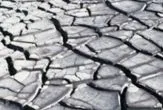
A new atlas of climate history over the past 2,000 years shows the western United States has experienced more pronounced droughts in the past than those of recent memory.
Drought costs the country $6 billion to $8 billion annually, according to the National Oceanic Atmospheric Administration (NOAA). In arid regions, any increase in temperature can lead to longer and more frequent droughts, the study revealed.
To gain a better understanding of how human activities and natural changes alter climate and weather patterns, scientists at Lamont-Doherty Earth Observatory at Columbia University's Earth Institute looked to the past. Researchers compiled the North American Drought History Atlas after analyzing 20,000 tree ring samples to understand the moisture record for the past 2005 years.
"It is not yet possible to forecast droughts, but we can surmise a great deal from the paleoclimatic record about the future possibilities of droughts," said Edward Cook, the project leader.
"The Western United States is so vulnerable to drought, we thought it was important to understand some of the long-term causes of drought in North America," Cook said.
The lack of water in the West over the past four years "pales in comparison with some of the earlier droughts we see from the tree-ring record," said David Meko, a University of Arizona researcher who also worked on the project. "What would really put a stress on society is decade-long drought."
Higher temperatures are directly linked to less rain, at least in arid environments, the study found. This means climate warming, however it occurs, could force continued or more severe western drought, the scientists conclude in a paper in the journal Science.
Get the world’s most fascinating discoveries delivered straight to your inbox.
Researchers hope the picture provided by the Drought Atlas will help them improve climate forecasts.