













Photos: Pilot Whales in Trouble off Everglades

Herding whales

Rescuers attempted to herd a group of 41 pilot whales in Everglades National Park into deeper water on Dec. 4 but failed. Today (Dec. 5) they are headed to sea, a good sign, although 5 more are missing. The whales had strayed into water as shallow as 3 feet (1 meter), which is dangerous for them — they are typically found in much deeper waters, said Blair Mase, a marine mammal specialist with the National Oceanic and Atmospheric Administration (NOAA) Fisheries service.
Stranded
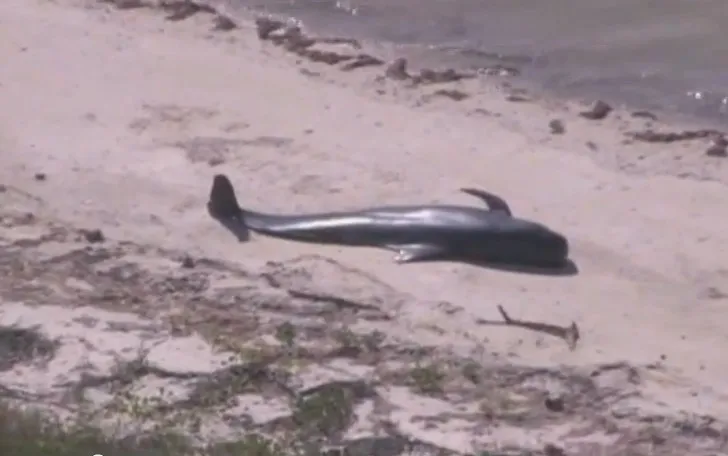
A total of 11 have been reported dead as of Dec. 5. There are also five whales missing; the individuals may have just separated from the group, or may be dead, Mase added. Of the 11 dead whales, seven were found already dead, and four had to be euthanized, according to news reports.
Whales by the shore

The move toward the sea, away from the Everglades, is encouraging, Mase said. "We are cautiously optimistic," she said during a telephone news conference. On Dec. 5 crews from NOAA and the National Park Service helped guide the whales toward the sea by placing their crafts between the shore and the whales.
Whale in trouble

This is a whale near the shore on Dec. 4. At 2:30 p.m. EST on Dec. 5, though, when workers turned back to shore, the remaining 35 pilot whales were seen heading toward sea 6 miles (10 kilometers) from shore, in 16 feet (5 m) of water, Mase said. But the whales aren't yet in the clear, since they are out of their known home range and in shallower water than is typical, she added — they are usually found in water at least 100 feet (30 m) deep, and 15 miles (24 km) from shore.
Dead whales

Officials from NOAA are currently conducting necropsies on the stranded whales to determine the cause of death, although the results may not be available for weeks or months, Mase said. Pilot whales become stranded more than most other cetaceans. That's partially because they stick together in pods, and sometimes an entire group will follow a sick whale to shore and become stranded, researchers say. The fact that the group has left their dead compatriots behind is encouraging, Mase said.
Get the world’s most fascinating discoveries delivered straight to your inbox.
