
 Live Science Plus






Viruses are microscopic infectious agents that are commonly known for their role in causing disease. They contain either RNA or DNA as their genetic material and need to infect host cells in order to survive and replicate. Some of the most famous viruses that infect humans include influenza (or the flu), human immunodeficiency virus (HIV), SARS-CoV-2 and Ebola. However, viruses are not the only infectious agents; bacteria, fungi and parasites can also all trigger diseases. Furthermore, there are a plethora of conditions that are not spread from one person to the next, known as "non-communicable diseases." These include cancer, diabetes, heart disease and neurological conditions such as Alzheimer's. Learn more about the latest research concerning viruses, infections and diseases in our articles below.
Discover more about virus, infections and disease
-
-
 ExplainerFlesh-eating screwworm found in Texas cows and dog. Are humans at risk?
 -
 INTERVIEW'A disease anywhere can be a disease everywhere tomorrow morning': Public health expert on Ebola and the threat of future outbreaks
 -
 Flu drugs might fight cognitive decline seen in HIV, early study hints
 -
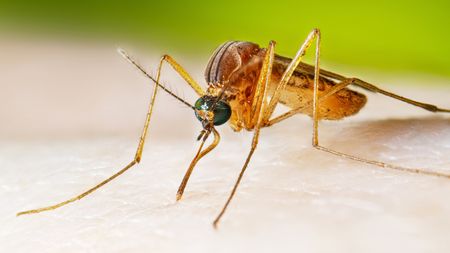 Google wants to release 64 million bacteria-riddled mosquitoes across California and Florida. Here's why scientists are enthusiastic.2 Comments
 -
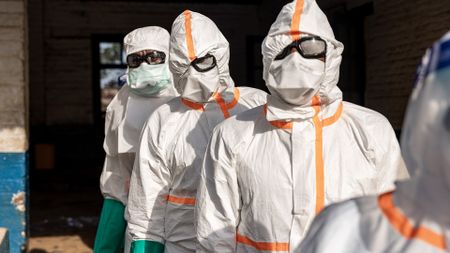 AnalysisEbola outbreak in Central Africa will be a nightmare to contain, experts warn
 -
 Common asthma drug helps fight hard-to-treat cancers, including aggressive breast cancers, early study finds
-


-
-
 A gene carried by 99% of humanity raises Alzheimer's risk dramatically. Could gene therapy correct it?
 -
 Single protein could dramatically alter trajectory of Alzheimer's disease
 -
 Only certain types of brain-training exercises reduce dementia risk, large trial reveals
 -
 Vaccines hold tantalizing promise in the fight against dementia
 -
 There's a new blood test for Alzheimer's — here's how it works8 Comments
 -
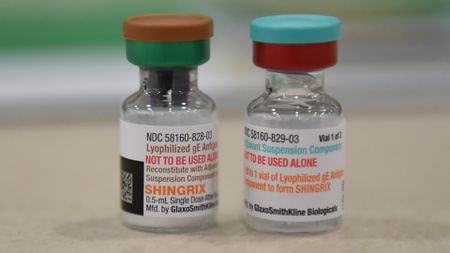 Shingles vaccine may directly guard against dementia, study hints2 Comments
 -
 Man nearly guaranteed to get early Alzheimer's is still disease-free in his 70s — how?2 Comments
 -
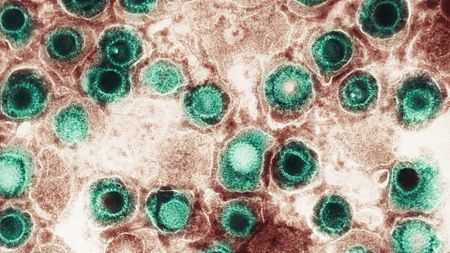 'Reanimated' herpes viruses lurking in the brain may link concussions and dementia
 -
 Nearly half of global dementia cases could be delayed or prevented, scientists say
-


-
-
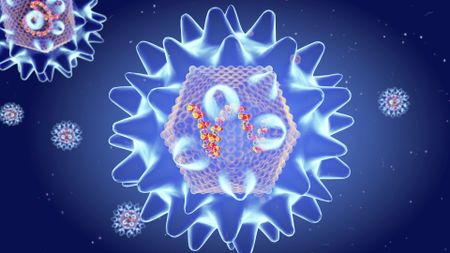 What is a hantavirus? Symptoms, treatments, prevention and how it spreads
 -
 Teenager contracts rare 'welder's anthrax,' marking the ninth known case ever reported3 Comments
 -
 Viruses that evolved on the space station and were sent back to Earth were more effective at killing bacteria
 -
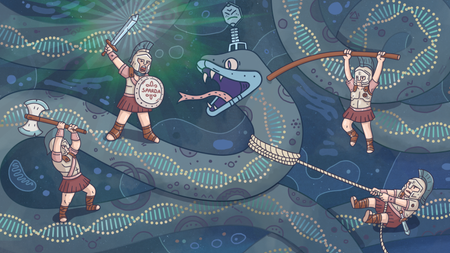 This is SPARDA: A self-destruct, self-defense system in bacteria that could be a new biotech tool
 -
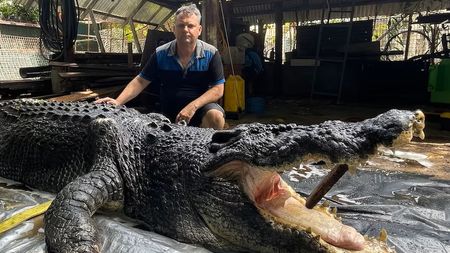 Cassius the giant crocodile died from sepsis after 40-year-old dormant infection burst from 'abscess,' necropsy reveals
 -
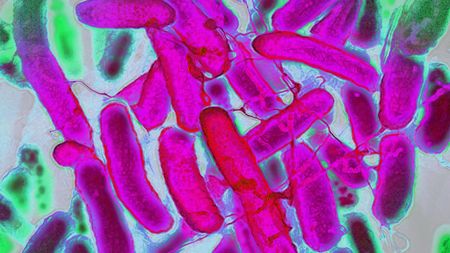 Scientists invent way to use E. coli to create and dye rainbow-colored fabric in the lab
 -
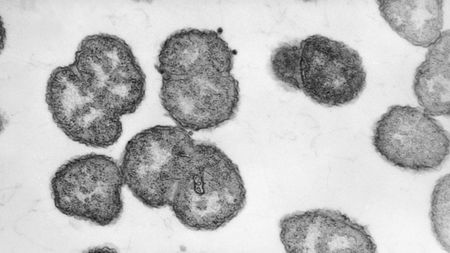 A toddler accidently ate gonorrhea bacteria from a lab dish
 -
 Mysterious chunks of DNA called 'inocles' could be hiding in your mouth
 -
 Striking images capture an antibiotic slaying bacteria in real time
-


-
-
Common asthma drug helps fight hard-to-treat cancers, including aggressive breast cancers, early study finds
-
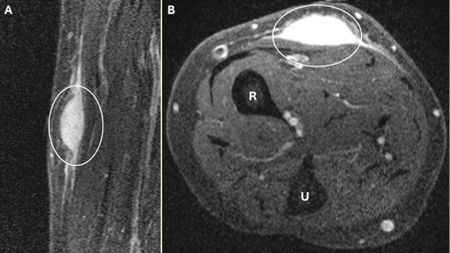 Diagnostic dilemmaBiopsy triggered 'spontaneous regression' of woman's arm tumor3 Comments
 -
 AnalysisMore young people are getting colorectal cancer — here's what scientists think might be happening3 Comments
 -
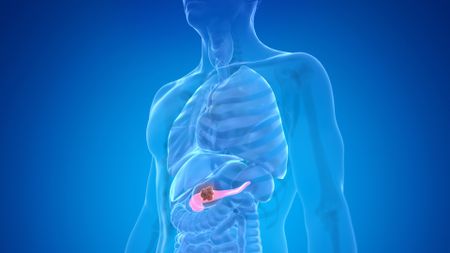 New AI model spots pancreatic cancer up to 3 years earlier than human doctors in test
 -
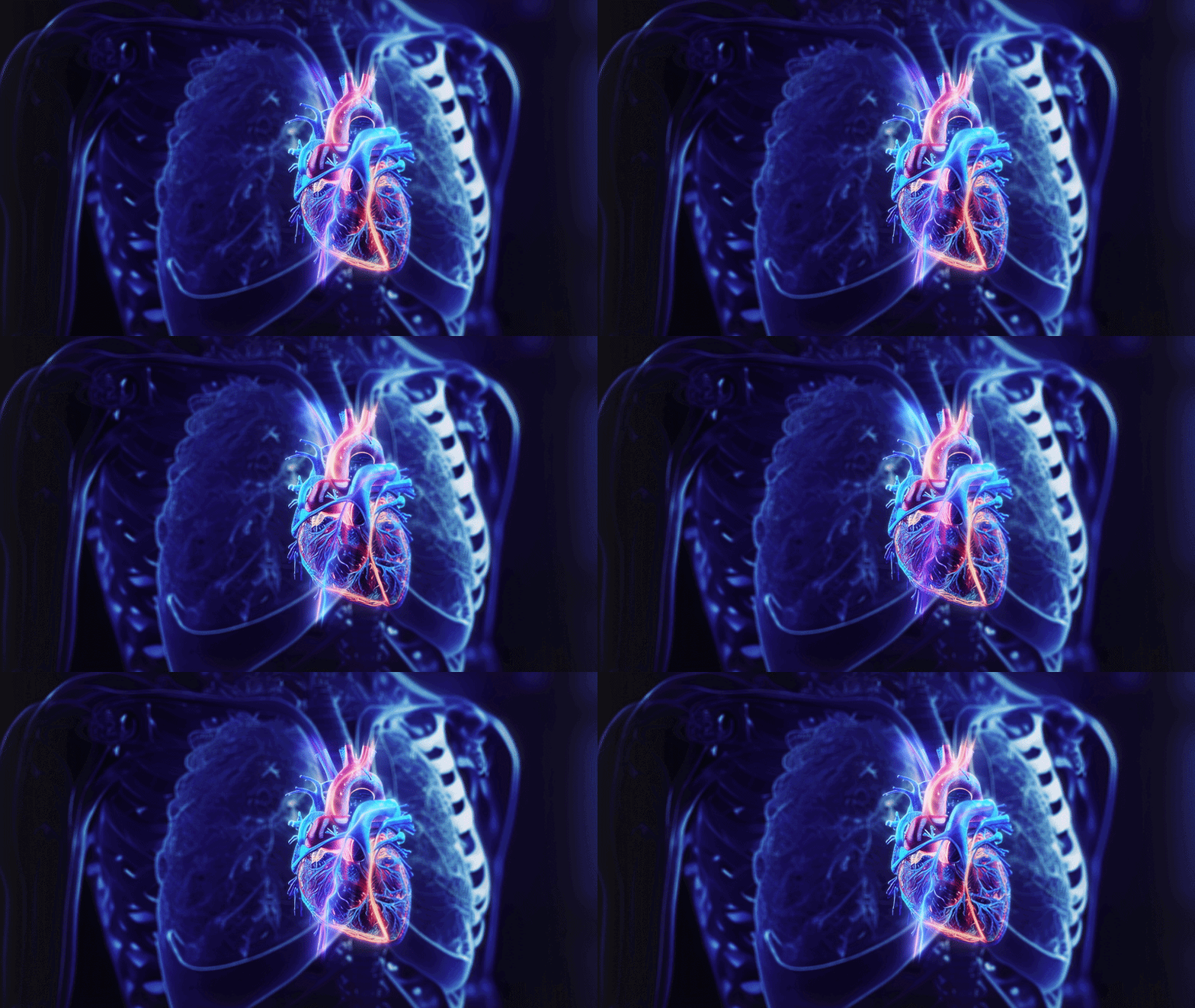 Heartbeats physically stop cardiac cancer from growing — and that could be key to thwarting other cancers, too
 -
 Colorectal cancer is now the most common cause of cancer deaths in the US for people under 5010 Comments
 -
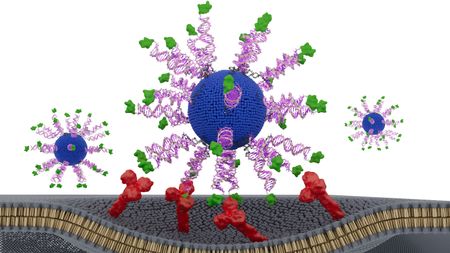 Cancer vaccine shows promise against HPV-related throat tumors in early study
 -
 AI-supported breast cancer screening spots more cancers earlier, landmark trial finds
 -
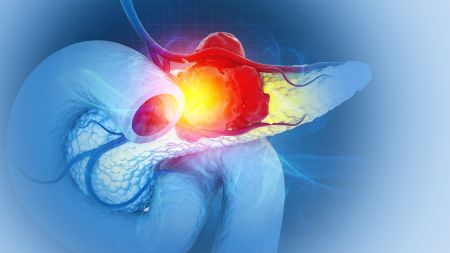 New triple-drug treatment stops pancreatic cancer in its tracks, a mouse study finds9 Comments
-


-
-
 A pill can stop people from developing COVID after being exposed to the virus, trial finds
 -
 Have you gotten this year's COVID vaccine?7 Comments
 -
 OpinionCOVID-19 vaccines for kids are mired in uncertainty amid conflicting federal guidance
 -
 1 in 22 COVID survivors develop debilitating chronic syndrome
 -
 Older adults should get 2 doses of the updated COVID shot, CDC says
 -
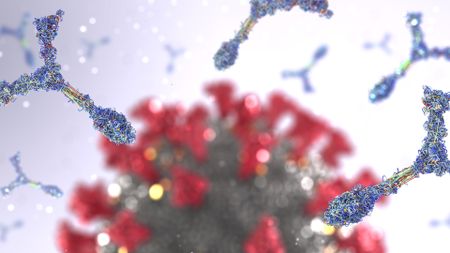 Newfound autoimmune syndrome tied to COVID-19 can trigger deadly lung scarring
 -
 COVID pandemic knocked 1.6 years off global life expectancy, study finds
 -
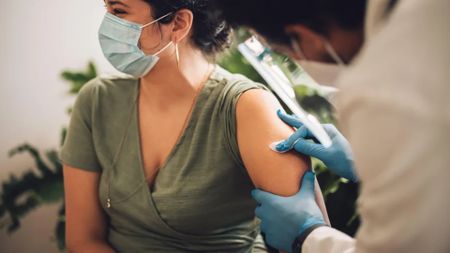 Vaccines slash risk of long COVID, studies show
 -
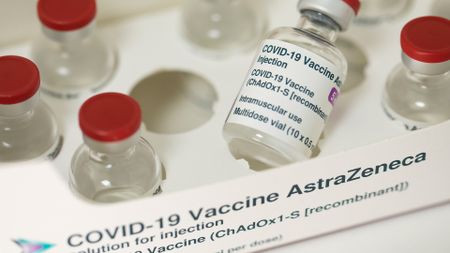 Rare clotting effect of early COVID shots finally explained — what could that mean for future vaccines?
-


-
-
 Why is flu season so bad this year?
 -
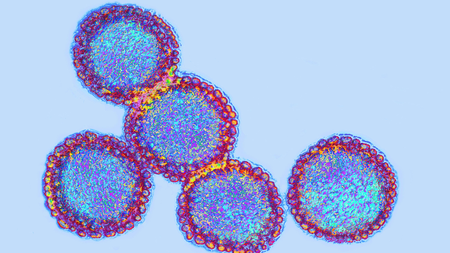 Flu: Facts about seasonal influenza and bird flu
 -
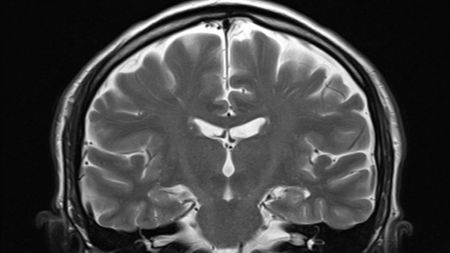 Brain damage reported in 13% of kids who have died of flu this season, CDC finds
 -
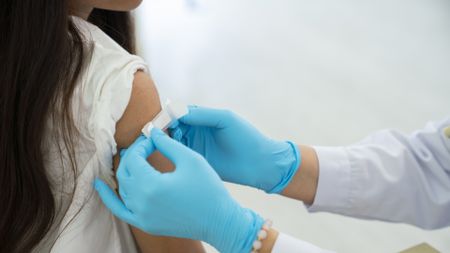 This year's flu shot was up to 78% effective at preventing hospitalization in kids, early data finds
 -
 The US is having its most active flu season in 15 years
 -
 2nd form of bird flu detected in US cows
 -
 US reports 1st outbreak of 'highly pathogenic' H5N9 virus in poultry. Should we worry?3 Comments
 -
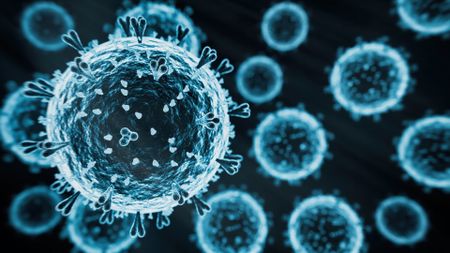 1st deadly case of H5N1 bird flu reported in US
 -
 Pet cats in Los Angeles County are catching bird flu from raw food, milk
-


-
-
Flu drugs might fight cognitive decline seen in HIV, early study hints
-
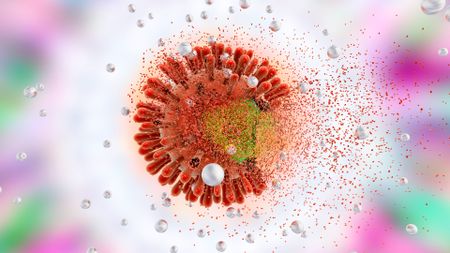 'Oslo patient' likely cured of HIV after getting stem cell transplant from his brother, who is genetically resistant to the virus2 Comments
 -
 OpinionI was at ground zero for the AIDS epidemic. RFK's cuts could fuel a new pandemic, just when elimination seemed within reach.4 Comments
 -
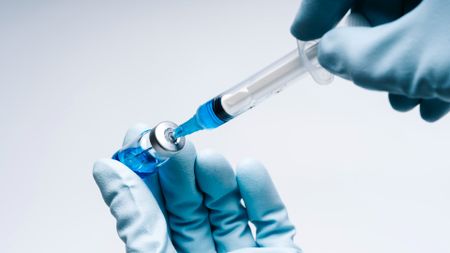 'DNA origami' could be key for making an effective HIV vaccine, early study hints
 -
 A 'functional cure' for HIV may be in reach, early trials suggest
 -
 Experimental HIV vaccines show promise in early safety test
 -
 HIV/AIDS: Facts about the viral infection that attacks the immune system
 -
 Nearly 3 million extra deaths by 2030 could result from HIV funding cuts, study suggests
 -
 Single-shot HIV treatment suppresses virus 10,000-fold for months, animal study finds
-


-
-
ExplainerFlesh-eating screwworm found in Texas cows and dog. Are humans at risk?
-
INTERVIEW'A disease anywhere can be a disease everywhere tomorrow morning': Public health expert on Ebola and the threat of future outbreaks
-
Flu drugs might fight cognitive decline seen in HIV, early study hints
-
Google wants to release 64 million bacteria-riddled mosquitoes across California and Florida. Here's why scientists are enthusiastic.2 Comments
-
AnalysisEbola outbreak in Central Africa will be a nightmare to contain, experts warn
-
Common asthma drug helps fight hard-to-treat cancers, including aggressive breast cancers, early study finds
-
Diagnostic dilemmaBiopsy triggered 'spontaneous regression' of woman's arm tumor3 Comments
-
AnalysisMore young people are getting colorectal cancer — here's what scientists think might be happening3 Comments
-
 Deadly Ebola outbreak is a public health emergency of international concern, WHO declares
 -
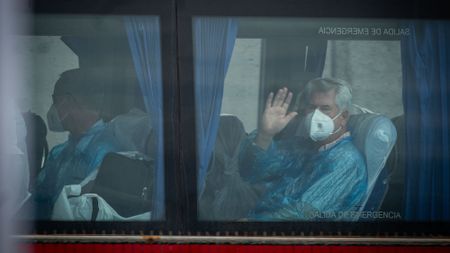 What counts as 'close contact'? Why the risk of hantavirus transmission is tricky to define
-

