
-
 Bonobos are just as aggressive as chimps, but there's a key difference — the female bonobos
A new study of chimpanzee and bonobo groups at zoos reveals similar levels of aggression. However, scientists found stark sex-based differences between the species.
6 Comments -
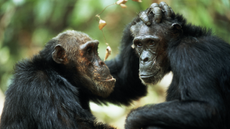 'Part of the evolutionary fabric of our societies': Same-sex sexual behavior in primates may be a survival strategy, study finds
A new study comparing 59 species of primates linked same-sex sexual behavior to scarce resources and more predators in socially complex species. The findings show diverse sexual behaviors are common — and likely beneficial in primates.
-
 Why can't you wiggle your toes one at a time?
A biological anthropologist explains why humans can't wiggle their toes in the same way they can wiggle their fingers.
-
 Primates Quiz: Go ape and test your knowledge on our closest relatives
Time to stop monkeying around — just don't go bananas if you get the wrong answer!
2 Comments -
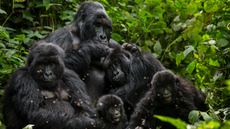 Science history: Dian Fossey found murdered, after decades protecting gorillas that she loved — Dec. 27, 1985
Dian Fossey was a zoologist who spent decades studying the elusive mountain gorillas of Congo and Rwanda before she was murdered.
-
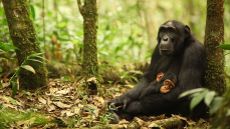 A decade-long chimp war ended in a baby boom for the victors, scientists discover
A deadly conflict between rival groups of chimpanzees in Uganda led to comprehensive victory and a bounty of territory and food — does it show why humans go to war?
4 Comments -
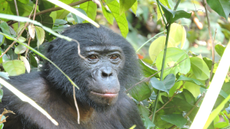 'A forest with bonobos has never been so quiet': Most extreme case of violence in 'hippie' species recorded, with females ganging up on male in unprecedented attack
Female bonobos routinely form coalitions to stamp out threats from males, but the level of violence in this attack was unprecedented.
11 Comments -
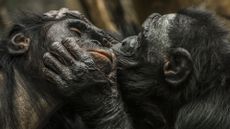 Kissing goes back 21 million years, to the common ancestor of humans and other large apes, study finds
Scientists traced kissing back to a primate ancestor that lived around 21 million years ago.
-
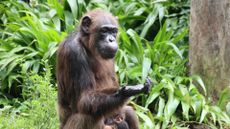 Chimps 'think about thinking' in order to weigh evidence and plan their actions, new research suggests
Chimpanzees use a variation of the "scientific method" — discarding prior beliefs if convincing new evidence comes along to change their minds, research shows.


