
 Live Science Plus


Canker Sores: Causes & Treatments

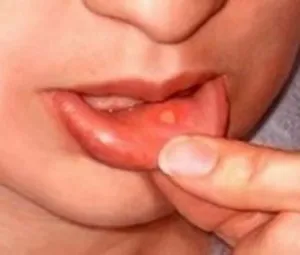
Canker sores, or aphthous ulcers, are small sores on the inside of the mouth. They can occur in both men and women of any age, but they're more common in women and in people between the ages of 10 and 40. Around 20 percent of the population get these types of sores, according to the National Institutes of Health (NIH). Canker sores are usually very painful, but are benign and are not contagious.
Types & symptoms
There are three types of canker sores: minor, major and herpetiform. Minor canker sores are the most common and are a half-inch (12 mm) in diameter and oval shaped, according to the Mayo Clinic. The pain usually goes away in a few days and the sores completely clear up without scarring in one to two weeks, without the need for medication.
Major canker sores are bigger than a half-inch in diameter and have irregular edges, according to the Mayo Clinic. They can take up to six weeks to heal and can leave scars.

Herpetiform canker sores, are a less common form of sore. It usually forms in older people and appear in clusters of 10 to 100. The sores are no bigger than one-eighth of an inch (3 mm) in diameter, have irregular edges and heal in one to two weeks.
Along with all three types of canker sores, it's not uncommon to experience fever, swollen lymph nodes or listlessness as additional symptoms. A person may feel a tingling in the mouth before the sore appears.
Canker sores are commonly mistaken for cold sores, but the two conditions are very different. One way to distinguish between a cold sore and a canker sore is by location. While canker sores always occur inside the mouth, cold sores do not. "An outbreak generally causes small blisters or sores around the mouth, and they heal within a couple of weeks," said Dr. Alan Mensch, senior vice president of medical affairs at North Shore-Long Island Jewish's Plainview and Syosset hospitals. [Cold Sores: Symptoms, Treatments and Prevention]
Causes
There is no single cause for canker sores, according to the National Library of Medicine. Many are caused from minor injury to the inside of the mouth, whether from accidentally biting the tongue or cheek, an injury from dental work, eating overly spicy or acidic foods or overzealous teeth cleaning. Hormone changes, food allergies, autoimmune conditions, viral infections and possibly genetics may cause these types of sores, as well.
Get the world’s most fascinating discoveries delivered straight to your inbox.
Several studies have found that there is a genetic connection and those with a family history are more likely to have more severe sores, according to the National Library of Medicine. For example, one study published in the journal Oral Surgery, Oral Medicine, Oral Pathology Oral Radiology and Endodontics in 1977 focused on 19 sets of twins and 318 individuals from six families and found that those in the study with a family history are more likely to have canker sores.
Sores are also linked to stress — more prevalent during high-anxiety moments — as well as a women's menstrual cycle, which is why they tend to be more common in women, according to Nemours Center for Children's Health Media.
Toothpastes and mouthwashes that contain sodium lauryl sulfate are also potential causes for canker sores. In addition, bacteria Heliobacter pylori, which cause peptic ulcers in the stomach; having an intestinal disorder such as Celiac disease, an inflammatory bowel disease; or the inflammatory disorder Behcet's disease are also potential causes for canker sores.
Treatment & medications
Most canker sores clear up on their own, but there are some over-the-counter remedies that contain ingredients like carbamide peroxide, menthol, eucalyptus and benzocaine that can help relieve pain, according to Nemours.
A medical professional should be contacted if:
- The person has a high fever
- The sores are spreading
- The sores are unusually large
- The sores have lasted three weeks or longer
- There is severe pain, even when taking over-the-counter pain medication
- The person isn't able to drink enough fluids
Oral rinses that contain dexamesathone may be prescribed for serious canker sores, according to the Mayo Clinic, as well as topical pastes that contain benzocaine (known as Orabase), amlexanox (known as Aphthasol) and fluocinonide (known as Lidex and Vanos). Debacterol is another topical treatment that chemically cauterizes the sores and reduces healing time.
There are a number of common home remedies that work, too. Gargling with salt water helps to relieve pain, according to the NIH. Dabbing the sore with a mixture of half water, half hydrogen peroxide, followed by a dab of Milk of Magnesia a few times a day soothes and can help speed the healing process. Swishing and then spitting a mixture of half liquid Benadryl and half Milk of Magnesia can also help, according to the NIH.
Because canker sores are also linked to a diet low in folic acid, thiamine (vitamin B1), zinc, vitamin B12 or iron, a doctor might also prescribe nutritional supplements. Symptoms of mild niacin deficiency canker sores, as well, according to the University of Maryland Medical Center.
Prevention
It isn't possible to completely prevent canker sores, but it is possible to minimize their prevalence by not eating fried, crunchy, acidic or spicy foods that can irritate the mouth, according to the Mayo Clinic. Also, healthy oral hygiene and avoiding talking while eating are ways of preventing a sore from happening.
Additional resources
- U.S. National Library of Medicine: Overview-Canker Sores
- Cleveland Clinic: Canker Sores & Dental Health
- American Academy of Oral Medicine: Canker Sores - Treatment
